If your hands have ever traced the edge of a fine antique writing table—particularly those from the Georgian or Victorian era—you might have felt a smooth, almost feather-thin layer of leather bordering the writing surface. That is often skiver leather at work, a subtle but essential element in the craftsmanship of these timeless pieces.
In this post, we'll explore what skiver leather actually is, why it’s so critical to antique tables, and how it relates to other materials like baize and felt. We’ll delve into the historical context, production techniques such as skiving and burnishing, and touch on the all-important detail of nap direction. Along the way, you’ll find expert insights from BestLeather.org, examples from fine institutions like the Victoria and Albert Museum, and manufacturing legends such as Mr Q.
What Is Skiver Leather?
“Skiver” is a term more common among leatherworkers than furniture cataloguers, yet it's utterly indispensable when describing those thin leather edges found on many fine antique tables. Simply put, skiver leather is leather that has been shaved or split down to an ultra-thin layer—sometimes just fractions of a millimeter thick—to make it more pliable and delicate for specific uses.
This thin leather is typically skived from thicker, more robust leather hides like bridle leather, prized for its toughness and smooth finish. The process of skiving—essentially shaving off one or more layers—is controlled to create soft, flexible edges that can be folded, burnished, and glued invisibly along the borders of a table's writing surface.
How Skiver Leather Is Used on Antique Tables
On many Georgian and Victorian tables, the central writing surface is bordered with a strip of skived, gold tooled leather. This is done for both functional and aesthetic reasons:
- Protection: The leather reduces wear along the edges, where wood or veneer might otherwise chip or catch on sleeves and wrists. Visual refinement: It provides an elegant, finely tooled border that complements the wooden surface and enhances the overall look. Writing surface quality: On desks specifically designed for writing, the soft leather edge offers a comfortable rest for forearms and wrists.
According to BestLeather.org, the optimal skiver for such uses is typically a high-quality vegetable-tanned leathers like bridle leather, skived carefully to preserve durability while allowing a refined finish.
Baize vs Felt—and Why Nap Direction Matters
One oft-overlooked component surrounding antique tables’ leather surfaces is the use of green cloth—commonly called “baize.” A note here, and one I’ll always argue: baize is not felt. This mistake irritates me sharply, perhaps because it signals a certain disregard for the material’s tactile and structural qualities.
- Baize: A woven woolen cloth with a fuzzy nap, traditionally green. It has a directional nap, meaning the fibers lie in one direction and feel different to the hand depending on which way you stroke it. Felt: A matted, non-woven fabric made by compressing fibers together. It’s dense, flat, and does not have a directional nap.
In practice, antique tables featuring baize need their cloth installed and maintained with great care. The nap is crucial: a gentle stroke of a soft brush along the nap will restore vibrancy without damage. Using anything more aggressive—say, a vacuum cleaner—will not only rough up the nap but can green baize also break down the fibers, causing premature wear. For this reason, I keep a small soft brush in my desk drawer, which is indispensable when gently reviving the baize lining of an antique writing surface or drawer bottom.
But why green cloth? Historically, green baize became the default lining or writing surface color because it’s easy on the eyes—soft and restful. This choice carries over from older games tables (like billiards or card tables), where quick visual recognition and reduced glare were essential. Additionally, green dyes were relatively affordable and durable, making green baize both beautiful and practical.
Bridle Leather: The Harness Heritage
The leather used for skiving on antique desks often originates from leather varieties known as bridle leather. This leather has a rich lineage, literally and figuratively, tied to horse harnesses, saddlery, and carriage equipment. Recognized for its toughness, smooth finish, and resilience, bridle leather offers the best of durability and beauty.
The journey from bridle to skiver involved:
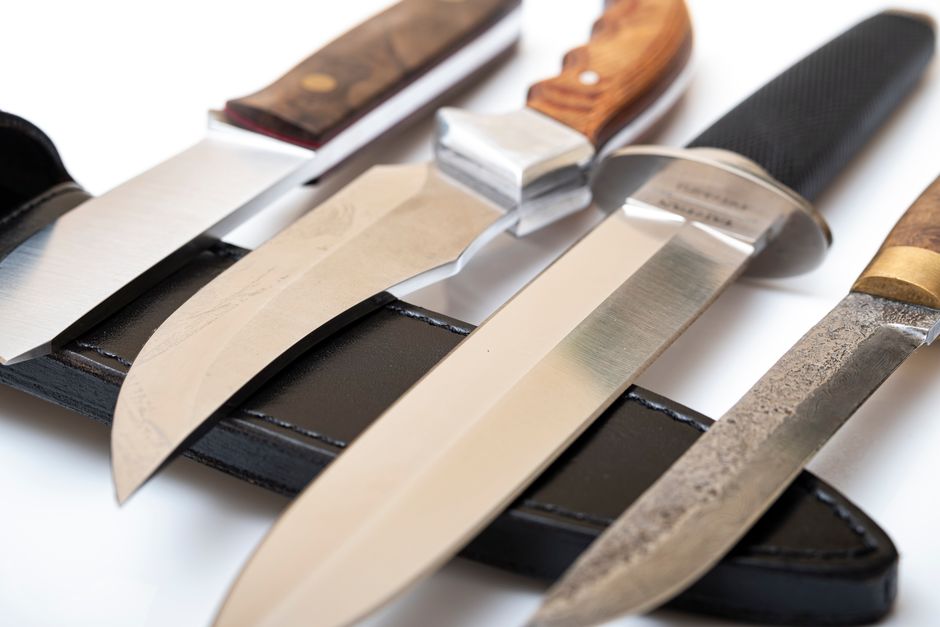
These heritage skills underscore the care with which leather edges were prepared on fine antique furniture, a care that continues to resonate in restoration workshops today, including those partnered with Mr Q, a company known for its traditional leatherworking methods.
Skiving, Burnishing, and Invisible Edges: Finishing Touches
From catalogue notes to hands-on restoration, I find the tactile experience of skived leather edges compelling. When done correctly, the skiving and burnishing transform a practical piece of leather into an invisible interface between wood and hand—a transition so smooth that you barely notice its presence, yet it prevents the table’s wood joins from chipping or detaching under use.
Skiving Process
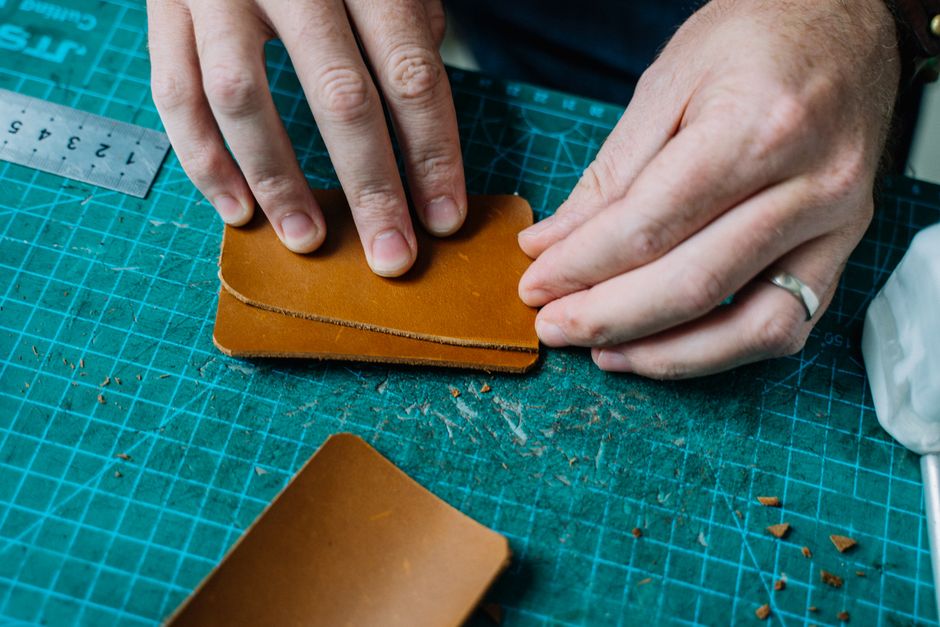
Step Description 1. Selecting Hide Choose a thick, high-quality bridle leather hide for durability. 2. Tanning Vegetable tanning for firmness and smooth grain surface. 3. Splitting Using a sharp blade or machine to peel layers and reduce thickness carefully. 4. Shaving Fine shaving of edges to prepare for folding and gluing.Burnishing
Once skived, the leather’s edges are burnished—a process involving friction with a hard, smooth tool that compresses and polishes fibers. This creates a near-invisible finish that can often fool the eye into seeing a perfect wood edge rather than a leather border. Experienced leatherworkers working with heritage brands or museums such as the Victoria and Albert Museum have refined burnishing techniques that preserve tool impressions like gold tooling and maintain longevity.
Gold Tooled Leather: The Artistic Layer
In many antique desks, the skiver leather is not just a protective edging but a decorative element with gold tooling. This process involves stamping delicate gold leaf patterns—floral motifs, borders, monograms—onto the leather surface.
This technique was often employed on writing surface borders to highlight the owner's taste and social status. Care during restoration is critical, as excessive cleaning or conditioning can strip away the delicate gold leaf. Experts recommend gentle, dry cleaning only (a soft brush over the nap or dust—never a vacuum) and minimal use of oils or conditioners to avoid loosening the tooling.
Summary: Appreciating Skiver Leather in Antique Tables
Next time your fingers explore the surface of an antique writing table, take a moment to appreciate the artisanal touch of skiver leather:
- Its thinness and invisible finesse belie the resilience imparted by the leather's bridle heritage. The soft but directional baize cloth surrounding it is a living, breathing fabric never to be mistaken for felt or abused by a vacuum cleaner. Skiving and burnishing are craft skills that transform leather into an elegant border, often enhanced with exquisite gold tooling.
If you want to go deeper, check BestLeather.org for leather types and care, peek behind the scenes at Mr Q to see traditional leatherworking processes, and explore the V&A’s digital collection (vam.ac.uk) for historic desk and leather examples.
Remember: folding card table mechanisms preservation isn’t just about what the eyes see, but what your hands feel—soft edges, smooth burnished leather, and the nap of real baize. These tactile details distinguish quality antique tables and make them treasures centuries on.
```