As artificial intelligence continues to The original source reshape the creative landscape, one area undergoing rapid transformation is synthetic voice technology. Tools powered by AI can now generate voices that rival human narrators in tone, pacing, and pronunciation. This advancement promises to streamline workflows in podcasts, YouTube videos, and other content but also raises thorny ethical questions—particularly regarding ownership, consent, compensation, and transparency.
The Rise of AI Voice Realism
Recent years have seen remarkable improvement in AI-generated speech. ElevenLabs, a company frequently cited by outlets like MIT Technology Review, exemplifies this shift. Their technology creates natural-sounding voice clones that can express subtle emotional nuances and adapt intonation seamlessly. Unlike early AI voices, which often sounded robotic or monotone, today's synthetic voices can mimic human speech patterns with impressive accuracy.
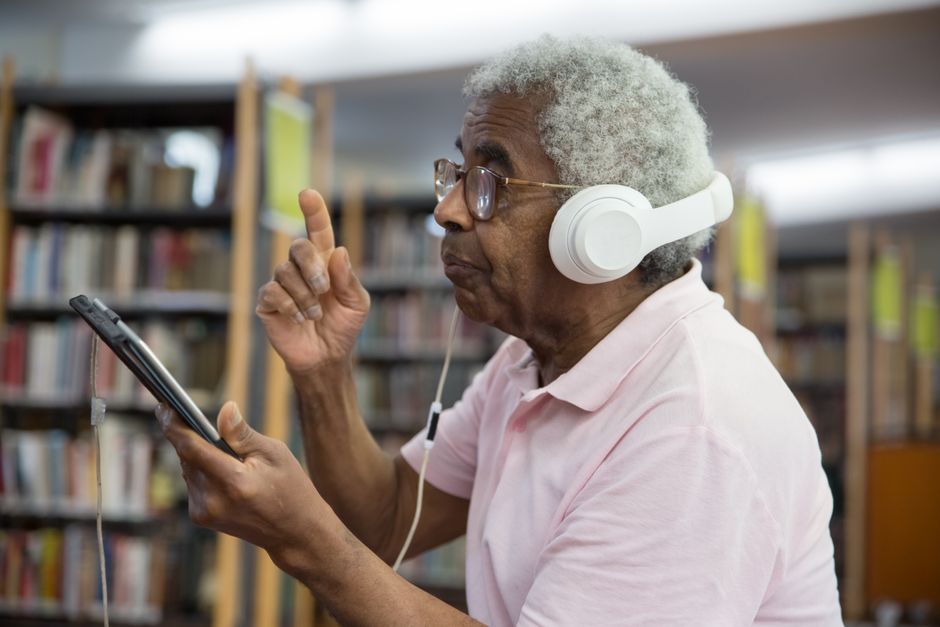
This evolution enables creators to produce high-quality audio quickly, enhancing speed and consistency in workflows. For podcasters and YouTubers managing tight schedules, AI voices offer a practical option to generate narration drafts, create multilingual versions of content, or improve accessibility through automated narration.
Why Ethics Matter in the Creator Economy
The creator economy operates with intense pressure for speed and volume. Brands like Us Weekly Travel promote instant deals, such as savings of up to 50% or more on over 1 million hotels with average savings of $92 per booking, encouraging rapid content production to maintain audience engagement. Similarly, creators strive to meet demand by generating consistent streams of content across platforms.
Synthetic voices fit neatly into this model by enabling more efficient production. However, this raises difficult ethical questions:
- Who owns a synthetic voice? If an AI replicates a specific person's voice, does the individual retain ownership over that voice's likeness? What constitutes proper consent? Can someone’s voice be used or modified without explicit permission, especially posthumously? How should creators disclose synthetic audio use? Is it ethical to present AI narration as human without transparency? Is compensation owed? Should voice actors whose voices are cloned receive royalties or fees?
Ownership of Voice: An Emerging Legal Frontier
The idea of a voice as personal property is gaining attention, but current laws often Click for source lag behind technology. Voice data is increasingly viewed as biometric information, meaning it can reveal identity and personal traits. Organizations such as MIT Technology Review highlight that legal frameworks currently provide patchwork protections, with few clear rules about who controls a person's voice once digitized.
For example, when content creators use AI tools to clone voices, this can blur lines between original and synthetic. Without robust consent measures, ethical dilemmas surface—especially if synthesized voices are sold, licensed, or used in ways inconsistent with the speaker's values or intentions.
Consent Ethics: More Than Just Saying Yes or No
Consent for using someone's voice needs to be explicit, informed, and revocable. It’s not as simple as checking a box. Voice actors and public figures alike must understand how their voices could be replicated, edited, or distributed by AI systems.
Podcasts and YouTube channels adopting AI voice tech should implement transparent consent policies. This means:
Clearly explaining what synthetic use entails. Specifying the duration and contexts in which the voice will be used. Offering control over modifications or applications of the voice model. Providing options to withdraw consent at any time.Without these safeguards, consent risks becoming a hollow formality. This is a concern raised by MIT Technology Review and echoed across ethical discussions in the AI community.
Compensation and Disclosure: Keeping It Fair and Transparent
Voice artists should receive compensation when their voices generate value, especially if cloned versions earn revenue or reduce job opportunities for human narrators. AI voice companies and content producers need to develop models that fairly share profits or fees with voice originators.
Additionally, transparency through disclosure is critical. Audiences deserve to know whether a podcast host's voice is synthetic or if an AI-generated voice narrates a YouTube video. Transparency maintains trust and respects listener autonomy.
Use Cases Driving AI Voice Adoption
Content creators are leveraging synthetic voices in multiple ways, including:
- Narration drafts: Quickly producing initial versions for review and iteration. Multilingual adaptation: Making content accessible to global audiences without hiring new voice actors. Accessibility: Generating audio descriptions or spoken versions for people with visual impairments. Podcasting workflows: Automating parts of production, such as intro/outro segments or automated updates. Streaming: Creating consistent character voices or AI co-hosts in live-streamed content.
These use cases show potential to enhance creativity and efficiency but depend on thoughtful ethical policies aligned with creator and audience interests.
Balancing Innovation with Responsibility
AI voice tech offers exciting opportunities for storytellers and businesses. But as Us Weekly and other media have pointed out in coverage of entertainment tech trends, there’s a responsibility to ensure these advancements don’t infringe on fundamental rights.
The path forward should include:

- Clear ownership rights for voice data Strong, meaningful consent procedures Fair compensation frameworks Full disclosure to audiences
As synthetic voices quickly become part of our daily media diet, creators and companies alike must navigate these ethical considerations. Otherwise, we risk undermining trust and the very human qualities that make voices so powerful.
Conclusion
The intersection of AI voice realism and the content creator economy is rich with promise but riddled with ethical complexities. The tools enabling this revolution—used in podcasts, YouTube, and beyond—are not just technical innovations; they carry questions about who owns a voice, how consent is granted, and how transparency and compensation function in this new digital audio ecosystem.
Keeping these concerns front and center isn’t just idealism—it’s practical. Where else would these ethical principles show up in real workflows if creators, technologists, and legal experts don’t address them now?