In the digital landscape of the last decade, we have witnessed a seismic shift in how media is consumed. Gone are the days of the passive, solitary viewer slumped in front of a terrestrial television set. Today, the screen is a dynamic, multidimensional gateway, and the most critical element of this evolution is the insatiable human hunger for instant reactions. Whether it is a professional esports final, a political debate, or a casual variety stream, the capacity for live streaming to facilitate a two-way street of communication has redefined the very nature of entertainment.
As a digital media analyst who has spent years tracking the intersection of mobile apps, creator economies, and platform development, I have observed that this craving for immediacy is not merely a quirk of Gen Z or Alpha behaviour—it is a fundamental psychological shift in how we process information and seek community validation. Today, we explore why real-time engagement has become the "killer app" of the 2020s.
The Anatomy of Immediacy: Why We Crave the "Live" Moment
At its core, the demand for instant feedback during a broadcast is about closing the loop of human experience. When we watch a pre-recorded video, we are observing the past; we are essentially voyeurs to a completed event. However, when a viewer engages in chat engagement during a live stream, they become a co-author of the content. This is the "para-social" feedback loop at its most potent.
Why is this so addictive? It comes down to dopamine. The moment a streamer reads a comment, acknowledges a donation, or reacts to a community joke, the viewer receives instant validation. This turns a broadcast into a shared ritual. As noted in recent reports from Axios Tech, the boundary between the platform and the user is thinning; the audience is no longer just "watching"—they are "participating".

The Neurochemistry of the Chatbox
Real-time interaction acts as a digital campfire. In our ancestral past, we gathered around fire to share stories and receive immediate, audible, and visual feedback from our peers. Modern livestreaming platforms essentially digitise this environment. The chatbox is the modern-day town square, and when a high-energy streamer reacts to the collective "mood" of the chat, it creates a sense of belonging that traditional media could never emulate.
Mobile-First and the "Always-On" Reality
The rise of the mobile-first ecosystem has accelerated the demand for instant reactions. For the average viewer, the smartphone is an extension of the self—an "always-on" device that sits at the intersection of our professional, personal, and entertainment lives. Because we carry these devices, we expect content to be as responsive as the apps we use for communication.
If you are watching a stream while commuting, cooking, or waiting for a meeting, the ability to drop a reaction in the chat isn't just a bonus; it’s a requirement to justify the session time. This behaviour is increasingly influenced by multiplayer gaming ecosystems, where the line between "player" and "viewer" has effectively vanished. In these worlds, interaction isn't optional—it is a core gameplay mechanic. When users migrate from gaming sessions to watching broadcasts, they bring those same expectations of interactivity with them.
Personalisation: The Algorithm as a Community Architect
One might ask: how do platforms manage millions of viewers trying to interact at once? The answer lies in sophisticated algorithmic behaviour signals. Today’s platforms are not just showing content; they are predicting how a user wants to engage.
By analysing data points such as:
- Click-through rates on specific interactive elements (e.g., polls, predictions, or emotes). Chat frequency and sentiment analysis during specific segments of a stream. Retention drops when a streamer fails to acknowledge the chat for extended periods.
Platforms can now curate experiences that feel "tailored" to the individual. When the algorithm nudges you toward a stream where your specific community—or your favourite type of content—is active, the incentive for instant reactions increases. The more personalised the feed, the higher the likelihood of sustained, active engagement.
The Stickiness Factor: Social Features and Session Time
From a commercial perspective, chat engagement integrating digital wallet compatibility for payments is the primary driver of "stickiness." The longer a viewer feels heard or seen, the longer they remain within the platform's walled garden. Companies that ignore this are quickly finding themselves at a disadvantage.
Take, for instance, the way modern entertainment brands are pivoting. Platforms like mrq.com have recognised that passive gambling or gaming is no longer sufficient; users want a social layer where they can share "the wins" with others in real-time. By integrating social features that reward community participation, these platforms extend session times and build genuine brand loyalty. Similarly, niche publishers such as LiveNewsChat.eu have demonstrated that in high-stakes environments like breaking news, the ability to chat with fellow observers is what draws users away from traditional news cycles.
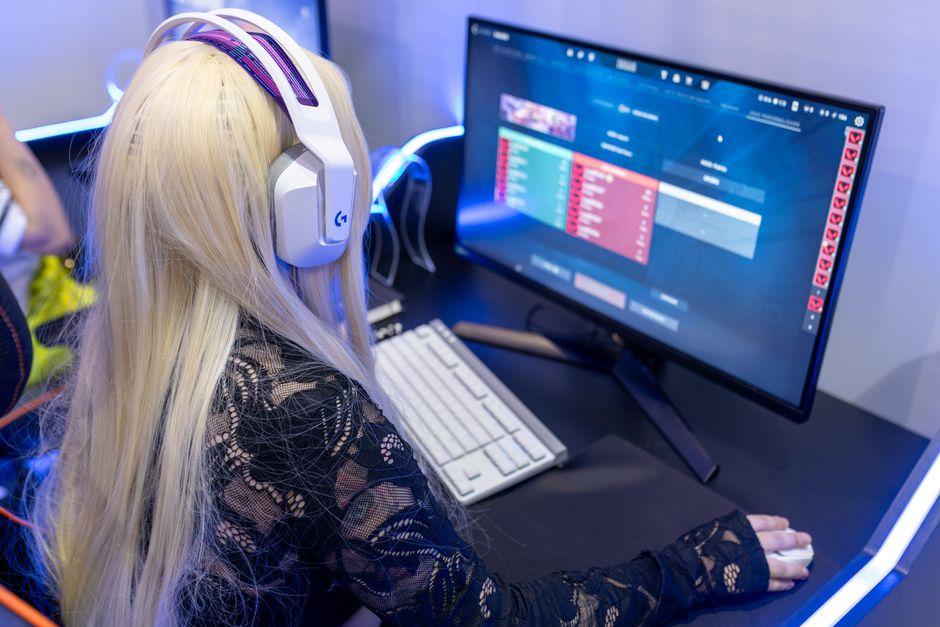
Comparison of Engagement Dynamics
To better understand the shift from traditional to interactive media, we can look at the following breakdown of engagement styles:
Feature Traditional Television Modern Livestreaming Latency High (Broadcast delay) Ultra-low (Near real-time) Communication One-to-many (Monologue) Many-to-many (Dialogue) Viewer Feedback Delayed (Ratings/Social media post-facto) Instant (Emotes, chat, polls) Community Role Passive Audience Active Co-creator/ParticipantThe Future: Where Does Real-Time Interaction Go Next?
As we look toward the future, the integration of AR/VR and generative AI will likely push the "instant reaction" bar even higher. Imagine a world where your avatar can physically sit in a virtual audience, reacting in real-time alongside thousands of others, with your digital representation reflecting your actual emotional state through biometric sensors. This isn't science fiction; it is the logical end-point of the trajectory we are currently on.
For creators and publishers, the lesson is clear: if you are not facilitating interaction, you are failing your audience. The power dynamic has moved away from the broadcaster and toward the community. The platforms that succeed will be those that provide the most seamless, responsive, and socially-integrated environments for these reactions to occur.
Final Thoughts
The desire for instant reactions during a stream is a testament to our innate need to belong. We no longer want to watch the world in isolation; we want to witness it, comment on it, and shape its interpretation in real-time. Whether it's the thrill of a big win at mrq.com, the analytical depth found via Axios Tech, or the real-time discourse on LiveNewsChat.eu, the common thread remains the same: it’s the human connection, happening right now, that keeps the world streaming.
In the end, technology is just the medium. The message remains what it has always been: "I am here, I am watching, and I want you to know that I am part of this."