In my decade covering the digital culture beat here in New York, I’ve seen trends come and go, but the convergence of high-fidelity streaming culture and the wellness-cannabis sector has remained surprisingly sticky. We’ve moved past the "stoner trope" and into an era of granular, data-driven wellbeing management. But with this shift comes a necessity for actual information rather than marketing buzzwords. If you’re a beginner exploring edible formats, you don’t need a fairy tale about "magic" products; you need to understand how your body processes cannabinoids and how your curated audio environment impacts your internal state.
Here's what kills me: i keep a running note of playlist titles that sound like therapy sessions—current entries include “existential dread at 3 am (and how to fix it),” “unprocessed trauma recovery: a mix,” and “please stop thinking so much.” these aren't just collections of songs; they are active tools for emotional regulation. When paired with consumption, however, the digital environment and the physiological state become deeply intertwined. Let’s break down the mechanics of the latter.

The Physiology of Edible Formats: Beyond the Hype
If you have spent any time reading about cannabis, you have likely encountered a barrage of "studies show" claims that lack citations. Let’s be clear: when dealing with edible formats, you are looking at hepatic metabolism. When you ingest a cannabinoid, it passes through the liver, where it is converted into 11-hydroxy-THC. This is significantly more potent and longer-lasting than the delta-9-THC experienced through inhalation.
For beginners, the lack of immediate gratification is the biggest hurdle to safety. Unlike smoking, where the effects are often felt within minutes, edibles can take anywhere from 30 minutes to three hours to reach peak concentration in the blood. This latency is where people make mistakes, consuming a second dose because they "don’t feel anything yet."
Comparison of Common Edible Formats
Format Onset Time (Avg) Duration Best Practice for Beginners Gummies/Chews 60–120 mins 4–8 hours Start with 2.5mg; wait 3 hours before re-dosing. Beverages 15–30 mins 2–4 hours Check labels for emulsification; these hit faster. Capsules 60–90 mins 6–10 hours Standardized dose; avoid breaking/opening. Baked Goods 90–180 mins 6–12 hours Difficult to dose evenly; use caution.Dosage Awareness and Evidence-Based Wellbeing
The "start low, go slow" mantra is not just a catchy slogan; it is a clinical reality. According to guidance provided by the NICE (National Institute for Health and Care Excellence) regarding related cannabinoid therapies, titration is the only responsible way to introduce these substances into a wellness routine. You aren't aiming for impairment; you are aiming for symptom management.
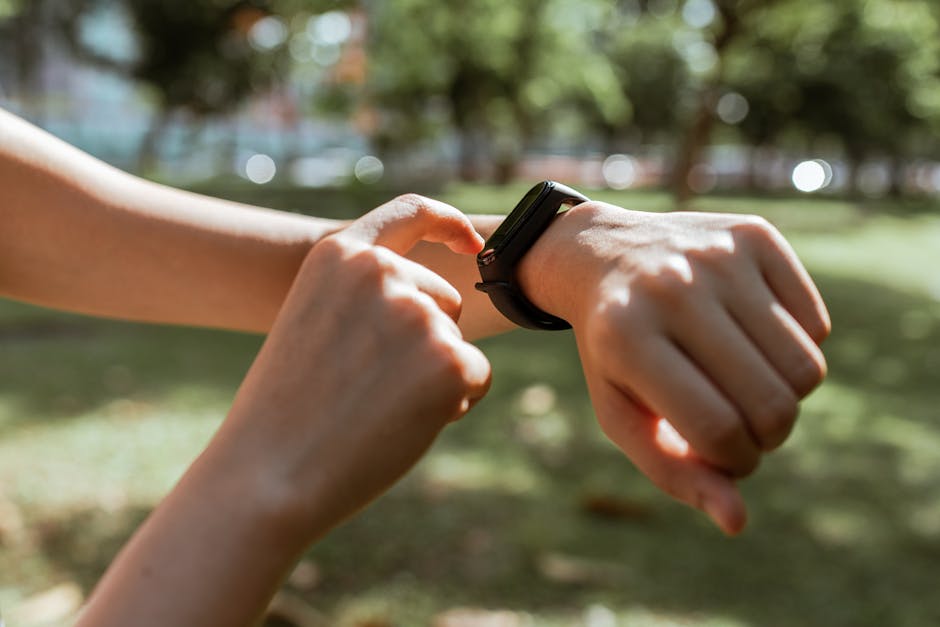
Tracking your intake is crucial. Apps like Releaf allow users to log their specific consumption details alongside their mood and physical sensations. By removing the guesswork, you transform a potentially chaotic experience into a controlled aspect of your wellbeing management. If you aren't tracking your intake, you aren't managing your health; you're playing a game of chance.
The Role of Recommendation Algorithms and AI in Emotional Regulation
People often talk about recommendation algorithms—like those powering your Discover Weekly or the latest mood-based curation—as if they are sentient, magical entities. They aren't. They are pattern-recognition tools built on massive datasets. They analyze tempo, key signature, production density, and your historical listening habits to predict what you might find "relaxing" or "energizing."
This is where artificial intelligence intersects with your routine. AI-driven music services now map songs to specific physiological responses, such as lowering the heart rate or stabilizing breathing patterns. When you use these tools for relaxation or sleep routines, you are essentially "hacking" your autonomic nervous system.
How to Align Your Audio Environment with Consumption
Audit your environment: If you are consuming to support a sleep routine, avoid high-BPM (beats per minute) tracks. Use AI-driven apps that generate brown noise or binaural beats which have been shown to facilitate states of calm. Data-driven discovery: Sites like Top40-Charts.com provide insights into current trends, but don't let current hits dictate your relaxation state. If a track is too chaotic, skip it. The algorithm doesn't know your nervous system; you do. Intentional curation: Don’t just hit "shuffle." Use algorithmic tools to filter by "mood" categories (e.g., 'Lo-fi Sleep,' 'Ambient Focus'). This provides a consistent sonic baseline that prevents the spikes in sensory input that can cause anxiety when consuming edibles.The Fallacy of the "Perfect Dosage"
There is no universal "safe" dose. Dosage awareness is entirely dependent on individual endocannabinoid system (ECS) sensitivity, weight, metabolism, and prior history of use. Marketing fluff will try to https://top40-charts.com/news.php?nid=191710 sell you on "one-size-fits-all" gummies. Ignore it. The only path to a sustainable routine is the documentation of your own reaction to specific milligram counts over a period of time.
When you start, treat it like a lab experiment. Note the time, the exact dosage (e.g., 2.5mg), the format, and the environmental factors. Were you listening to your "Trauma Recovery" playlist? Did it help you unwind, or did it make your thoughts race? Using these notes as data points allows you to optimize your routine for your specific needs, whether that is sleep, relaxation, or mood regulation.
Conclusion: The Future of Responsible Consumption
We are currently living in a landscape where tech-assisted wellbeing is the norm. We use AI to curate our emotional soundtrack and apps to track our physiological response to various wellness products. The key to staying ahead of the curve is simple: reject the marketing hype, demand data, and stay skeptical of any claims that lack a clear, transparent basis in evidence.
As you build your relaxation or sleep routines, remember that music and cannabinoids are both tools for modulation. They aren't magic. They are interventions that work best when you, the user, take an active, informed role in how they are administered. Keep your notes, watch your numbers, and stop trusting "magic" algorithms to do the hard work of self-care for you.
Further Reading and Resources
- Review the NICE guidelines on medicinal cannabis to understand the current clinical consensus on safety and dosage. Use Releaf to keep a rigorous log of your initial experiences with different edible formats. Check Top40-Charts.com for broader trends, but remember to curate your personal library based on *function*, not just popularity.
Note: Always consult with a healthcare provider before starting a new wellness regimen, especially if you are currently taking other medications. The information provided here is for educational purposes only.