It’s Tuesday morning in Berlin—or perhaps it’s Paris, or Milan. You’re standing in line at https://highstylife.com/the-credibility-crisis-navigating-the-wellness-landscape-in-2026/ a high-end coffee shop. The person ahead of you isn’t just holding a standard canvas tote; they are carrying a structured, sustainable-fiber bag that signals a specific kind of lifestyle. They are wearing an oversized blazer paired with high-performance leggings—a sartorial choice that screams "post-yoga-but-pre-boardroom." Their earbuds are tuned into a two-hour podcast on hormonal regulation or the nuances of soil health.
If you listen closely to the industry buzz—and trust me, after a decade in fashion journalism, my ears are tuned to the frequency of "marketing-speak"—you’ll hear the word "experience-driven" thrown around with alarming frequency. It’s one of those terms that, when left unchecked, feels like a hollow brand strategy. But strip away the buzzwords, and you realize that wellness has fundamentally changed. It’s no longer about a singular "miracle cure" or a vague bottle of vitamins. It is, quite literally, the new lifestyle uniform.
This shift from niche to mainstream—a trajectory we’ve seen across European urban centers—represents a move toward personalization that is as aesthetic as it is biological.

The Evolution of the "Wellness" Narrative
Historically, "alternative" wellness lived in the shadows of retail, often relegated to the back corners of health food shops or, conversely, hidden away in elite, inaccessible sanctuaries. Today, the consumer behavior has shifted. We are seeing a move toward the experience-driven model, where the value isn't just in the supplement, the treatment, or the garment—it’s in the participation.
This is where the distinction between "medical advice" and "complementary approach" becomes essential to understand. We aren't seeing a total replacement of traditional healthcare, but rather a blending. People are taking their data—trackable via wearables or personal journals—to their primary care physicians with an entirely new set of questions. It is a more informed, if sometimes fragmented, dialogue between evidence-based practice and individualized ritual.
The Role of Podcasts and Social Platforms
How did we get here? It starts with the audio and visual feedback loop. Podcasts have become the new long-form education for the wellness-obsessed. Unlike the quick-hit "miracle-cure" framing of the early 2010s, modern health podcasts often feature long-form interviews with researchers and practitioners, attempting to pull complex science into the Tuesday-morning routine.
However, I keep a running list of phrases that trigger a warning bell in my brain, and "bio-hacking" is near the top. Social platforms have amplified this, turning personal wellness routines into a form of social currency. When a TikTok creator walks through their "morning non-negotiables," they aren’t just selling a product; they are selling a curation of an identity. The danger here is that these routines are often presented as universal solutions. In reality, your routine is only effective if it’s genuinely yours—not because an algorithm told you to take a specific supplement that worked for a content creator.
Feature Old Wellness Model New Experience-Driven Model Motivation Solving a specific illness Optimizing a personal lifestyle Communication Top-down (Expert to Patient) Horizontal (Community/Peer-sharing) Product Focus The item itself The ritual surrounding the item Aesthetic Clinical/Sterile Fashion-integrated/LifestyleFashion, Sustainability, and Wellbeing: A Triple Point
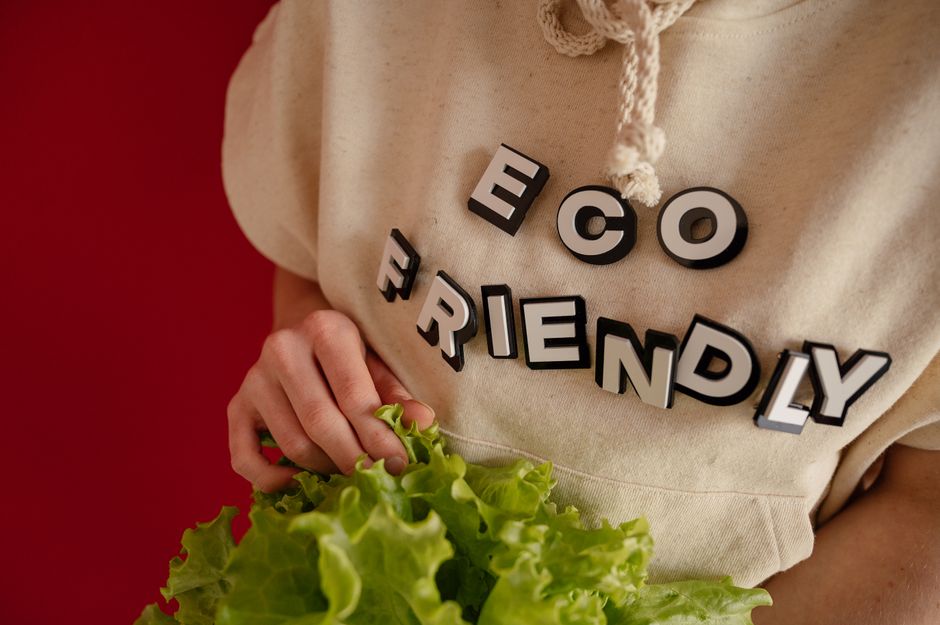
In my years covering fashion weeks, I’ve watched the "spillover" of wellbeing into the design room. Look at the shift in textiles: we are seeing a massive move toward high-performance materials that are also ethically produced and biodegradable. The logic is simple: if you are concerned about the chemical load of the food you eat, you will eventually become concerned about the chemical treatment of the Have a peek at this website fabric sitting against your skin for 12 hours a day.
Wellness is now a facet of sustainability. The consumer behavior is shifting toward the "circular" idea—what we wear, how we move, and how we treat our bodies are no longer silos. They are part of the same infrastructure. A brand that ignores the environmental impact of its production cycle is increasingly viewed as antithetical to the wellness-minded consumer. It’s no longer enough for a brand to say they are "clean"; the consumer wants to see the supply chain.
The Trap of "Miracle Cure" Framing
Here is where I have to pull the emergency brake. I am perpetually annoyed by brands that promise a "detox" or a "total reset." Let’s be clear: your body has its own detox organs—the liver and kidneys. When a company uses vague language about "purifying your system," they are relying on scientific illiteracy to sell a commodity.
True personal routines aren't about purging the body; they are about supporting it through sustainable habits. The most successful wellness integrations I see today don’t promise to fix you; they promise to provide a better framework for your daily life. They don't promise that you will wake up a different person; they provide the tools to make your Tuesday morning feel a little less taxing on your nervous system.
Why Individualization is the New Status Symbol
We are moving away from the "wellness for all" approach. The modern consumer is savvy enough to know that a supplement regimen that works for a high-intensity endurance athlete won't work for a remote worker in a high-stress, desk-bound position. This demand for personalization is the driving force behind the growth of the industry.
However, we must remain critical of where this data goes. When you build a personalized routine, who owns that data? The shift toward experience-driven wellness requires us to be more than just consumers; we have to be researchers of our own lives. We have to ask for sources. We have to look for regulation context. If a brand cannot explain their process without using three buzzwords per sentence, they are likely selling you a marketing script rather than a health solution.
How to Evaluate the "New Wellness" for Your Own Routine
Audit the Language: If you see "miracle," "cure," or "detox," proceed with extreme caution. These are red flags that prioritize marketing over evidence. Trace the Authority: Who is the source? Is it a marketing copywriter, or is it a peer-reviewed study? Even the best podcasts can be biased—look for who is sponsoring the conversation. Check the Integration: Does this product actually fit into your life, or are you forcing your life to fit around the product? A good routine is a support structure, not a rigid prison. Fashion as Function: When choosing wellness-linked apparel, look for transparency in manufacturing. If it’s good for the planet, it’s usually better for your long-term health.The Future: A More Skeptical, Informed Participant
The transition toward an experience-driven wellness model is not a temporary trend; it is a fundamental shift in how we relate to our own bodies in a modern, often overwhelming environment. We are seeking control through curation.
As this sector continues to grow, my hope is that the consumer becomes even more skeptical. The most "luxurious" health choice you can make today isn't a high-end supplement or a trendy subscription service. It is the ability to walk away from the buzzwords, ignore the "miracle" marketing, and build a routine that is grounded in your own unique, daily reality. Whether that’s a morning walk, a specific way of engaging with your professional wardrobe, or the intentionality of how you consume content—it all adds up to the same thing: an experience that belongs, finally, to you.
Fashion and health are no longer separate chapters in our lives; they are the same story. The way we dress for our day, the data we track, and the rituals we keep are the physical manifestations of our internal priorities. Let’s keep those priorities grounded in reality, transparency, and a healthy dose of skepticism for anything that promises too much and explains too little.