In the world of Pilates instruction, music is more than just decoration — it’s a https://bizzmarkblog.com/best-genres-for-pilates-music-that-stay-in-the-background/ crucial background tool to improve flow, focus, and energy without stealing the spotlight. But should your Pilates playlist include lyrics, or is instrumental only Pilates music the smarter choice?
Having taught Pilates mat and reformer classes for over 11 years, plus managing the studio audio during class, I’ve come to believe the best music during Pilates classes keeps vocals out of the mix. This post dives deep into why instrumental music supports your teaching, helps client concentration, and protects your voice. We’ll also explore tempo selection by class type, volume safety, and tips for building well-timed playlists with commonly used streaming tools like Spotify and Apple Music.
Why Music Is a Background Tool, Not the Star
When clients walk into a Pilates class, they come to focus inward — on form, breathing, and mindful movement. The music should support this atmosphere, not compete with it.
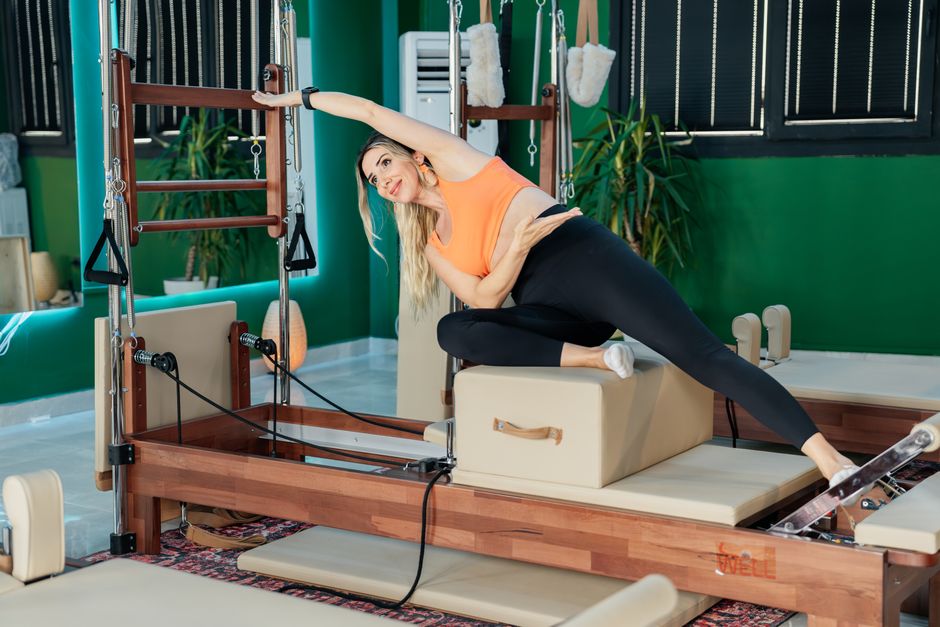
- Enhances ambiance: Music can subtly boost motivation and create energy. Maintains pacing: A steady tempo helps guide movement rhythm. Background function: Music underlines the experience but doesn’t distract from verbal cues or client concentration.
Think of Pilates class music like a movie soundtrack — it heightens emotion but never draws attention away from the main action. This mindset strongly favors instrumental only Pilates playlists over songs with vocals, where lyrics can become attention thieves or conflict with the instructor’s voice.
Tempo Selection by Class Type (BPM Is Key)
One of my quirks as a Pilates instructor and former audio tech is labeling playlists by BPM (beats per minute), not “vibes” or genres — because tempo drives the flow of your class more reliably than mood descriptions. Adjusting the music’s tempo according to class type improves client experience and instructor timing.
Class Type Recommended BPM Range Purpose Gentle Mat or Introductory 60-80 BPM Slow, calming pace to promote alignment and breathing awareness Intermediate Mat or Reformer 80-100 BPM Moderate tempo supporting sustained energy and flow Dynamic or Cardio-Focused Workouts 100-120 BPM Uplifting, energizing tempo to encourage faster movements and staminaThis tempo-focused approach helps avoid sudden changes that would jar clients and keeps instructor and class in synchronicity. Sudden BPM drops or spikes are a pet peeve of mine—playlists with unexpected tempo shifts can throw off movement and client focus.
Instrumental vs Lyrics in Cue-Based Classes
One of the greatest challenges with incorporating lyrics in Pilates classes is the potential interference with cue-based instruction. In Pilates, clear verbal cues and feedback are essential for:
Ensuring proper form and technique Safeguarding client safety Providing motivation and encouragementWhen music contains lyrics, especially with prominent vocals, several problems arise:
- Lyrics distract clients: Clients’ brains naturally try to “listen” and process words, which divides their attention away from your verbal cues and internal body awareness. Teacher vocal override: You may need to raise your voice to overcome vocal parts in the music, leading to vocal fatigue and strained communication. Muddled auditory environment: If your cues coincide with words, clients can miss key instructions or get confused about timing.
This is why I enforce a strict "no lyrics during footwork" rule in my studio – the footwork section is cue-heavy and requires undistracted focus. Using background music no vocals during these times supports a better mind-body connection for clients and https://smoothdecorator.com/organic-house-for-power-pilates-what-bpm-range-fits/ a healthier environment for teachers.
Exception: Subtle or Vocals Used Sparingly
Some instructors choose songs where vocals are faint or used only during less cue-intensive phases of the workout. When done carefully, this can add warmth and variety without hallucinating the cues. However, the safest bet remains: instrumental-only playlists or ones with minimal lyrics.
Volume Safety and Teacher Vocal Health
From my time as an audio tech and Pilates teacher, volume levels in the studio are critical—not only for client comfort but also for preserving your voice.
- Overly loud speakers force yelling: When the music drowns out your voice, you have to push harder to be heard, putting strain on your vocal cords. Hearing fatigue for clients: Loud music can overwhelm, causing distraction and a desire to close ears rather than engage movement. Teacher vocal health: Clear, safe volume levels allow you to cue naturally, minimizing vocal cord damage and fatigue over repeated classes.
My ritual before every class is a simple yet crucial “can I speak normally?” test—if I have to raise my voice to be heard, the music volume drops immediately. Balanced volume is essential for optimal Pilates instruction.
Using Streaming Tools for Your Pilates Music
Popular platforms like Spotify and Apple Music (on personal accounts, not business licenses) offer vast libraries ideal for building your Pilates playlists. My approach includes:
- Labeling playlists by BPM ranges rather than moods, making them straightforward to select based on class intensity Curating instrumental-only albums and playlists to enforce a lyrics-free policy during cues-heavy segments Avoiding repeating the same 20 tracks too often; fresh but consistent tracks keep the class engaged without distraction
For example, when investing in Pilates music, consider albums specifically designed for the practice, such as Heart Alignment, priced at $49.00 USD. These albums typically contain carefully sequenced instrumental tracks featuring consistent tempos and no distracting lyrics. They save hours of playlist assembly and ensure quality.
Summary: Why Instrumental Only Pilates Music Wins
- Instrumental music enhances focus — no lyrics distract clients from body awareness or verbal cues Tempo (BPM-based) playlists maintain smooth flow and match class intensity Controlled volume protects teacher vocal health & client comfort Using Spotify or Apple Music with BPM-labeled playlists streamlines music selection Investing in quality Pilates-specific music like Heart Alignment ensures consistent background sound without disruption
Final Thoughts
Music in Pilates class should feel natural and supportive — never competitive with your voice or disruptive to your clients’ mental focus. By sticking with instrumental only Pilates playlists, carefully selecting tempos, keeping volume safe, and leveraging the right tools and music sources, you create an environment ideal for mindful movement and effective instruction.
To all Pilates instructors out there: consider how your playlist choices impact your teaching experience and the class atmosphere. Sometimes, less is truly more. Instrumental music isn’t just a preference; it’s a strategic decision for optimal class flow and vocal longevity.