Let’s be honest: the modern parenting handbook—if it were actually written—would look less like a guide to child development and more like a manual for a crisis management team. Somewhere along the way, we collectively decided that being a "good" parent meant being "always available." Whether it’s the constant ping of school group chats, the pressure to document every milestone for Instagram, or the endless scroll of “expert advice” on TikTok, we are currently living in an era of unprecedented digital fatigue.
I’ve been writing about family routines for eight years, and if there is one thing I’ve learned, it’s that the feeling of needing to be available 24/7 is the quickest route to burning out. It’s not your fault; the architecture of our devices is designed to keep us tethered. But if you’re tired of feeling like a customer service representative for your own family, you’re in the right place. We aren't going to talk about “being mindful” or buying expensive wellness gadgets. We are going to talk about real, gritty boundaries and setting up your phone so it finally stops owning your attention.
The “Always Available” Trap and Why You’re Exhausted
The mental load of parenting isn't just about laundry or grocery shopping. It’s the background noise of the “to-do” list that never ends. When you combine that with the pressure to be instantly responsive, your nervous system never actually shifts into recovery mode. When we feel like we have to be *always available*, our baseline cortisol levels stay high, making it nearly impossible to handle the small tantrums or the spilled milk without snapping.
We see other parents on Instagram or TikTok seemingly juggling it all—homeschooling, working, cooking, and engaging in “conscious play.” What we don’t see is the behind-the-scenes exhaustion. This comparison trap feeds the belief that if you aren't reachable 24/7, you're dropping the ball. You aren't. In fact, setting boundaries is the most vital work you can do for your family’s long-term health.
The 10-Minute Boundary Habit
If you don’t have time to overhaul your life, that’s fine. Most wellness advice assumes you have two hours a day to journal or go to a yoga studio. You don't. So, start here: The 10-minute digital shut-off. Pick a time—let’s say 7:30 PM—where the phone goes in a drawer or a charger in another room. For 10 minutes, you do absolutely nothing related to “management.” No checking emails, no checking the school portal, no scrolling. Just 10 minutes. If you can handle 10 minutes, you can eventually build to an hour.
Digital Fatigue: Tweaking Your Phone, Not Buying New Stuff
I am not a fan of buying "focus boxes" or expensive products to solve a problem that a simple settings tweak can handle. Your phone is a tool, not your boss. Let’s take back control using the tools you already have.
- Notification Purge: Go into your phone settings right now. Turn off notifications for everything except direct calls or messages from the people who actually live in your house. Does the school app need to ping you about a bake sale at 9:00 PM? No. Check it on your terms, not theirs. Grayscale Mode: This is my favorite "hack." Turning your screen to grayscale makes the icons on your phone significantly less enticing. Suddenly, Instagram isn’t quite as addictive when it’s not bright red and blue. The "Do Not Disturb" Schedule: Set your phone to automatically switch to "Do Not Disturb" at a set time every night. If you’re worried about emergencies, you can set "Favorites" so that specific people can still break through.
The 10-Minute Device Audit
If you’re feeling overwhelmed by your digital life, take 10 minutes to audit your phone. Delete three apps that make you feel inadequate or stressed. Unfollow accounts that make you feel like you’re doing parenting “wrong.” It’s a small, ruthless action that pays dividends for your stress reduction.
Sleep, Recovery, and the Reality of Modern Health
We talk a lot about "sleep hygiene" in parenting circles, but often, the advice is detached modern parenting burnout from reality. The NHS provides excellent, grounded guidance on sleep hygiene—focusing on consistent bedtimes and cool room temperatures rather than miracle supplements. If you’re struggling with chronic sleep issues that affect your parenting, please speak to your GP. There are structured medical routes for persistent issues, and it’s important to understand the landscape of care. For example, some people explore specialized clinical environments like Releaf, the UK’s largest medical cannabis clinic, to manage complex conditions that affect sleep and stress, but this should always be discussed within the framework of professional medical advice, not social media trends.
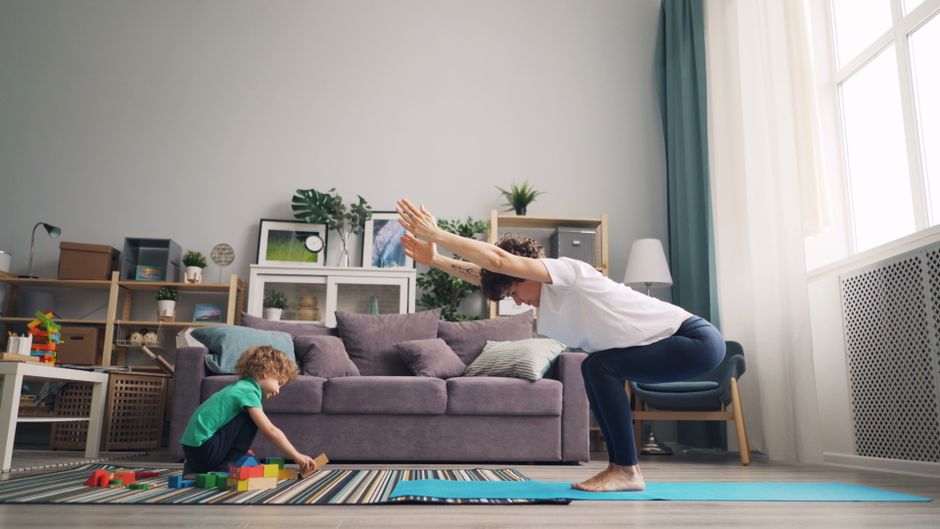
The goal isn't to be a perfect sleeper; it's to be a functional parent who isn't running on fumes. If you’re chronically sleep-deprived, the “always available” pressure feels ten times heavier. Prioritizing 10 minutes of wind-down time before bed—no screens, maybe just a book or staring at a wall—is more effective than any expensive sleep tea or supplement.
If-Then Plans for Emotional Regulation
When you feel the urge to check your phone or respond to a non-urgent request during your "off" time, use an "if-then" plan. This removes the need for willpower, which is a finite resource for parents.
The Trigger The Plan If I feel the urge to check my email during dinner... Then I will take three slow breaths and put my phone on the floor. If I get a notification while playing with my child... Then I will wait until we finish our game before even glancing at the screen. If a school group chat message makes me feel pressured... Then I will mute the conversation for 8 hours and deal with it tomorrow.Creating Space for Connection (Without the Guilt)
We often buy things thinking they will replace the need for our presence, or conversely, that we need to buy "educational" items to make our parenting count. Look at companies like Premium read more Joy; they focus on high-quality, developmental toys that encourage independent play. The beauty of these tools isn't the toy itself—it's that they foster a space where your child can play *without you*. That is the secret to reclaiming your own availability. When your child is happily engaged in independent play, you are allowed to sit on the sofa and do absolutely nothing. You don't have to be a spectator to their play at all times.
Checklist: The 10-Minute Reset
Keep this checklist on your fridge. If you feel like you’re drowning, take 10 minutes to tick off two or three of these:
The Digital Clear-out: Put the phone in a drawer. The Sensory Check: Get a glass of cold water. Change your environment—step outside for fresh air for five minutes. The Body Scan: Sit in a chair. Unclench your jaw, drop your shoulders, and relax your hands. The Declutter: Clear one surface in your house. Just one. Don't touch the laundry pile. Just the kitchen counter. The "No" Practice: Identify one thing on your calendar this week that you can cancel or delegate.Reframing Boundaries: It’s Not Mean, It’s Modeling
The hardest part of stopping the "always available" cycle is the guilt. We worry that if we don't reply to a message or if we aren't hovering, we are being neglectful. But think about what you are modeling for your children. If you are constantly tethered to a screen, answering demands from the outside world, you are teaching them that their own needs—and your own needs—are secondary to the ping of a notification.

When you set boundaries, you are teaching your children that it is okay to have space for oneself. You are showing them that a healthy adult has interests, needs for rest, and the confidence to say, "I am not available right now, but I will be later."
Final Thoughts: Just Start Small
You don't need to quit social media. You don't need to throw your phone in a river. You just need to reclaim the gaps in your day. Start with the 10-minute rule. When the pressure to be available hits, remind yourself: "I am human, not a service."
Stress reduction in parenting isn't about grand gestures. It’s about the small, repetitive choices you make to protect your own peace. Whether it’s turning off a notification, choosing to walk away from a screen, or simply deciding that the dishes can wait until tomorrow morning, you are building a life where you are the parent, not the device. You’ve got this.