If I had a dollar for every time a client walked into the salon on a Tuesday morning, sighing as they ran their fingers through their hair, complaining about "looking like they’ve been electrocuted" after waking up, I’d be writing this from a yacht in the Mediterranean. During my nine years at the front desk of one of Sydney’s busiest salons, I’ve heard every hair horror story in the book. The most common? The morning battle with static and flyaways.
We spend hundreds of dollars on professional-grade shampoos, expensive hair masks, and keratin treatments, yet we often sabotage our efforts the second our head hits the pillow. If you are struggling with flyaways overnight, you aren’t alone. It’s a common frustration, but it is one that is entirely fixable with a bit of a shift in your nighttime routine.
The Science of the Morning Mess: Why Friction Matters
Before we dive into the solutions, we need to understand the culprit. Your hair is made of overlapping scales, much like shingles on a roof. When these scales lie flat, your hair reflects light, looking shiny and smooth. When they are lifted—or when they rub against abrasive surfaces—they create friction. Friction is the mortal enemy of frizz control.
Every time you toss and turn in your sleep, your hair is dragging against your pillowcase. If you are sleeping on a standard cotton or synthetic blend, that fabric is working like a microscopic piece of sandpaper. It grabs your hair, pulls at the cuticles, and strips away the natural sebum (oils) your scalp produces. By the time your alarm goes off, your hair is dry, tangly, and charged with static electricity. It’s not just "bad hair"; it’s mechanical damage happening over eight hours every single night.
Prevention Beats Repair Every Time
In the beauty industry, we love a good "hero product." Whether it’s a high-end hair oil or a leave-in conditioner, we are trained to reach for a bottle when things go wrong. But here is the professional truth: prevention beats repair. If you spend your day trying to smooth down flyaways that were caused by six hours of friction, you are constantly fighting an uphill battle.
If you prioritize your environment over Go here your products, you’ll find that you actually need to use less product in the long run. When your hair is protected while you sleep, it maintains its integrity, holds its style longer, and requires significantly less heat styling and product-loading in the morning.
The Cotton Conundrum
Most of us grew up sleeping on cotton pillowcases. They are breathable, easy to wash, and ubiquitous. However, cotton is a highly absorbent fiber. It is designed to soak up moisture. While that’s great for a towel, it’s terrible for your hair. Cotton wicks away the moisture from your hair strands and your skin, leaving both parched by morning.
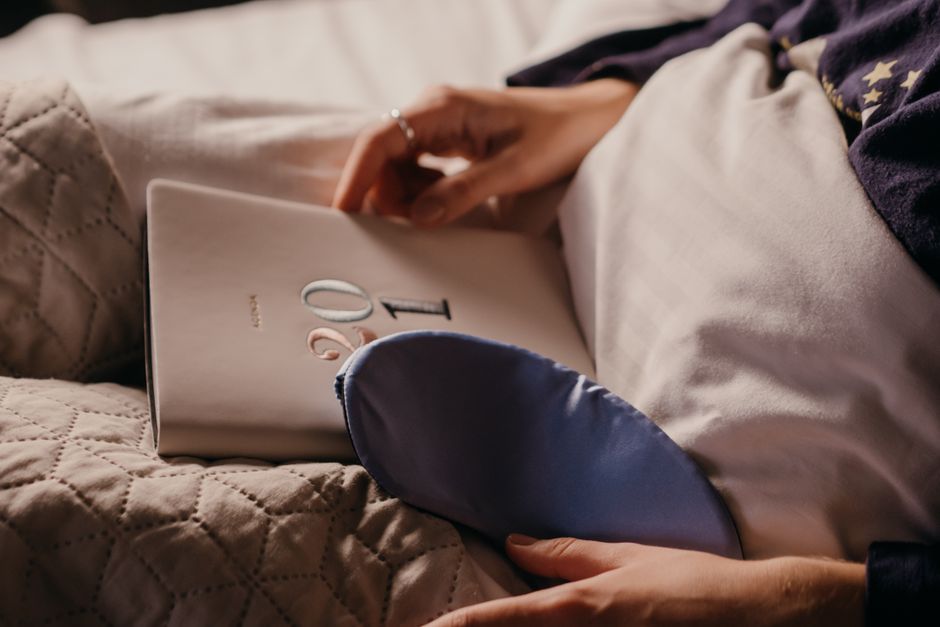
Combine that absorbency with the rough texture of the weave, and you have the perfect recipe for split ends and static. If you have fine or curly hair, you’re likely feeling this impact even more acutely. The more textured your hair, the more it craves moisture and the more prone it is to the "frizz halo."

The Silk Solution: Why It’s a Non-Negotiable
If you’ve scrolled through Instagram or TikTok recently, you’ve probably seen the "silk bonnet" or "silk pillowcase" trend popping up on your feed. While it’s currently having a massive moment as a viral beauty hack, this is one of those rare instances where the trend is actually rooted in science and long-standing professional advice.
Silk is a protein-based fiber. Unlike cotton, it is incredibly smooth. When your hair moves against silk, it glides rather than grabs. This drastically reduces friction, which is the primary driver of morning static and breakage. Furthermore, silk is far less absorbent than cotton, meaning your hair stays hydrated throughout the night, holding onto the natural oils and the leave-in treatments you’ve applied.
I always recommend brands like Silk Bonnet World for those looking to make the switch. Investing in a high-quality silk pillowcase or a bonnet is essentially an insurance policy for your hair. It keeps your blowout intact, protects your curls from losing their pattern, and stops that chaotic morning frizz before it even starts.
Comparison: What Happens When You Sleep
To really see the difference, look at the breakdown of how your hair reacts to these different environments overnight:
Feature Cotton Pillowcase Silk Pillowcase Friction Levels High (causes breakage and tangles) Low (glides across the surface) Moisture Retention Low (absorbs natural oils) High (maintains hydration) Static Production High (due to friction) Minimal Cuticle Health Can fray cuticles overnight Keeps cuticles smooth and flatHow to Build a "Frizz-Proof" Nighttime Routine
Switching your pillowcase is the biggest step, but it isn’t the only one. Here is how I teach my clients to set their hair up for success before they turn the lights out.
The Pre-Bed Brush: Never go to bed with tangles. Even a small knot will become a matted mess after a night of tossing and turning. Use a wide-tooth comb or a brush designed for detangling to gently work through your hair, starting from the ends and moving upward. The Pineapple Technique: If you have long or curly hair, gather your hair into a very loose, high ponytail or bun on the very top of your head. Secure it with a silk scrunchie. This keeps the weight of your hair off your neck and prevents it from being crushed under your head. The Bonnet Bonus: If you are someone who moves a lot in their sleep, a silk pillowcase might not be enough. This is where Silk Bonnet World becomes your best friend. A bonnet keeps your hair contained, protected, and free from the environmental friction of the bed linens. Avoid Damp Hair: Never, and I mean *never*, go to bed with damp hair. Wet hair is in its most fragile state; it is elastic, prone to stretching, and much more likely to break when rubbed against any fabric. If you wash at night, ensure your hair is 100% dry before laying down. Serums vs. Oils: If you use a leave-in treatment, apply a tiny amount to your mid-lengths and ends before bed. Just ensure it's a lightweight serum rather than a heavy oil, which can clog follicles if it migrates to your scalp.The Influence of Social Media: Filtering Fact from Fiction
As a beauty editor, I spend a lot of time watching trends on TikTok and Instagram. While it’s great that people are talking about hair health, it’s important to remember that not every "hack" is a good one.
You’ll see a lot of people using heatless curling rods made of various materials. If you’re using these, ensure they are wrapped in silk or a smooth microfiber. If you wrap your hair in a rough cotton heatless curler, you are essentially inducing the very flyaways you are trying to avoid. Always look at the texture of the tool before you wrap your precious hair around it.
The beauty of the "silk hair care" movement is that it’s accessible. You don’t need a professional salon treatment to see a difference; you just need to change the fabric your hair is resting on. It’s a low-effort, high-reward change that honestly works wonders for the long-term health of your hair.
Final Thoughts: Embracing the "Morning-After" Glow
When you stop the cycle of overnight friction, the results are almost immediate. You’ll notice that your hair feels softer, your ends look healthier, and your morning routine is cut down by minutes because you aren't fighting a wild mane of static.
We often treat hair like it's invincible, but it’s actually a delicate fiber that responds to the environment we put it in. By choosing silk, avoiding cotton’s abrasive grip, and being mindful of how we prep for sleep, we can reclaim our mornings. So, swap out that pillowcase, consider a bonnet from Silk Bonnet World, and let’s leave the bedhead in the past—where it belongs.