If you have spent any time scrolling through social media, you’ve likely been bombarded with "miracle" results for acne scars. One day it’s a filter-heavy transformation; the next, it’s a grainy before-and-after photo with zero context on the lighting or the settings used. As someone who has spent nearly a decade interviewing the best (and the not-so-best) in the industry, I know that acne scar revision is a marathon, not a sprint. It is a medical process, not a retail transaction.
When you are looking for acne scar treatments, you aren’t just buying a service; you are entering a clinical relationship. If you feel like you're being rushed into a decision or if you can't get a straight answer about who is holding the laser, stop. Walk away. Your skin deserves better.
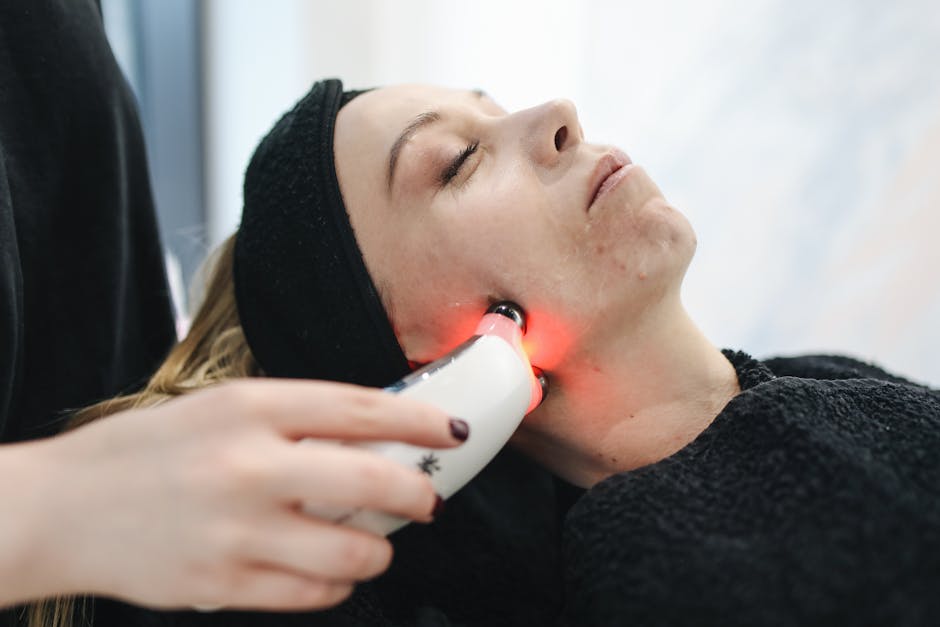
Here is your checklist for navigating the minefield of skin clinics in New Zealand.
1. The "Medical-Grade" vs. "Beauty Centre" Reality Check
We often use the term "clinic" as a catch-all, but there is a massive divide in this industry. A beauty centre might be fantastic for a relaxing facial or a brow wax, but treating deep, tethered acne scars requires a different level of accountability, sanitation, and technical knowledge.
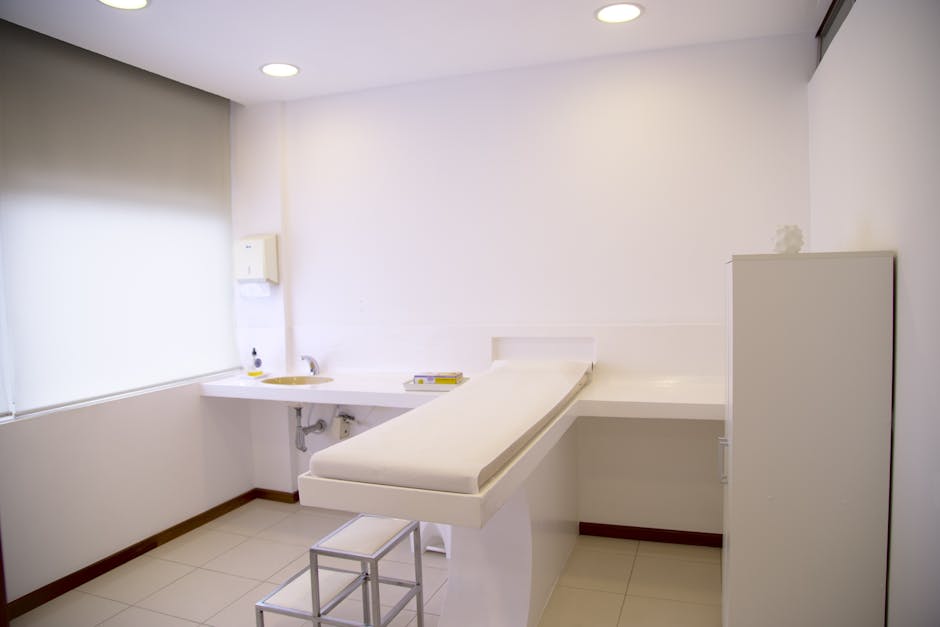
When you are looking at skin rejuvenation options, you need to verify the clinic's environment. Are they just pushing the latest "glow" package, or do they understand the physiology of a scar? Medical-grade clinics should have robust infection control protocols, a registered nurse or doctor on-site, and a clear chain of clinical accountability.
Who is actually holding the needle or the laser?
This is my non-negotiable question. You should never be treated by someone whose qualifications are hidden behind a generic "skin therapist" title. Ask specifically: Is the person performing the laser therapy a doctor, a cosmetic nurse, or a dermal clinician with advanced certification? And most importantly, who is the medical director overseeing the protocols?
2. Consultation Quality: The Bedrock of Success
If your "consultation" lasts five minutes and ends with a quote for a 6-pack of treatments, you are being sold to, not consulted. A proper consultation assessment for acne scarring takes time because the practitioner needs to evaluate the "type" of scar you have.
Not all scars are the same. Are yours boxcar, icepick, or rolling scars? Are they pigmented, or do they have depth? A true expert will map your face and explain why certain injectables might be better for volume loss, while laser is better for resurfacing.
My Mental Checklist for a Proper Consultation:
- Full Skin Analysis: Did they use a professional imaging system (like VISIA) to see what’s happening beneath the surface? Risk Disclosure: Did they outline the risks, specifically post-inflammatory hyperpigmentation (PIH)? If they say there are "no risks," they are lying. The Timeline: Did they provide a realistic timeframe for results, or did they promise a "perfect" outcome in two sessions? Aftercare Transparency: Did they explain exactly what you will look like for the first 48 hours, 7 days, and 14 days post-treatment?
3. Technology and Devices: Beware the "Mystery Machine"
I cannot stress this enough: if a clinic won’t tell you the make and model of the device qualified aesthetic practitioner they are using, do not let them touch your face. In New Zealand, the laser market is flooded with cheap, uncalibrated imports. You want to see devices that are TGA or Medsafe approved.
When a clinic offers skin rejuvenation, the device is the engine. A genuine fractional CO2 laser is a vastly different tool than a budget-friendly IPL machine masquerading as a resurfacing device. Before you commit, ask them: "What specific device are you using for my scar type, and why?" If they seem annoyed by the question, that is your cue to leave.
4. Understanding the Treatment Landscape
To help you navigate your options, I’ve put together a quick breakdown of common approaches to scarring. Note that a high-quality clinic will often use a combination approach.
5. Red Flags: When to Run
In my nine years of interviewing clinic owners, I’ve learned to spot the "red flags" before the client even walks through the door. Keep these in mind during your search:
- Discount-First Marketing: If the primary selling point is "50% off for the next 24 hours," they are prioritizing turnover over clinical outcomes. Pressure Selling: Any clinic that pressures you to pay upfront for 10 sessions on your first visit is failing you. Acne scar revision should be adaptive. The "Magic" Photo: If you see before-and-afters with no lighting notes, no mention of the number of sessions, and no disclosure of other treatments combined (like makeup or fillers), be skeptical. Authentic clinics are proud to show real, raw skin texture.
Finding Your Partner in Care
I always point people toward resources that prioritize education, such as My Bliss Clinic, because they understand that the journey to clear skin is built on trust aesthetic clinic green flags and evidence-based practice. Choosing a clinic is personal, and you shouldn't feel bad about asking hard questions. You are the one putting your face on the line.
Lastly, always check the fine print when booking online. A clinic that takes your data seriously—having clear policies like those found on privacy-conscious platforms—is usually a clinic that takes your clinical records seriously as well.
Final Advice from the Editor
There is no "no downtime" solution for deep acne scarring. If a clinic tells you otherwise, ask them for the specific recovery timeline in days. If they say "it varies," ask for the average. If they still refuse to give you a straight answer, you know what to do. Protect your skin, trust your gut, and never be afraid to ask who is holding the device.