If you’ve ever lurked on a fan forum reminiscing about your favorite childhood game, joined a Twitch raid cheering on streamers, or spent hours remixing a beloved TV theme on TikTok, you’ve witnessed the magic of creative platforms transforming passive fans into passionate creators. But what’s really behind this shift? How do these tools morph “just-an-audience” into active contributors who shape the culture around their fandoms?
The Emotional Glue: Nostalgia as Connection and Comfort
Think about a classic franchise reboot — maybe the resurgence of The Atlantic nostalgia culture a 90s cartoon or a retro video game remaster. Fans don’t just consume this new iteration; they bring decades of memories and emotional investment.
Creative platforms tap into this dormant emotional bank account of nostalgia, offering fans ways to re-experience and reimagine what they love.
Here’s a quick scenario from an old fan forum:
- A thread titled “Remember When?” attracts hundreds of posts sharing personal stories about how the original series impacted childhoods. Encouraged by moderators, fans start posting fan art, rewritten scripts, and song covers inspired by key moments. Social media hashtags ignite these jams beyond the forum, with streaming services hosting live watchalongs that spark real-time reactions and talkbacks.
By embedding fan creation into platforms where nostalgia is celebrated, creators don’t just feel comforted—they become energized to add their own voice to the ongoing story.
Familiarity and Continuity in a Fast-Changing Digital World
Digital trends change at breakneck speed. One day, a platform is the hottest hangout; the next, it’s old news. This constant churn can disorient fans who crave steady connections.
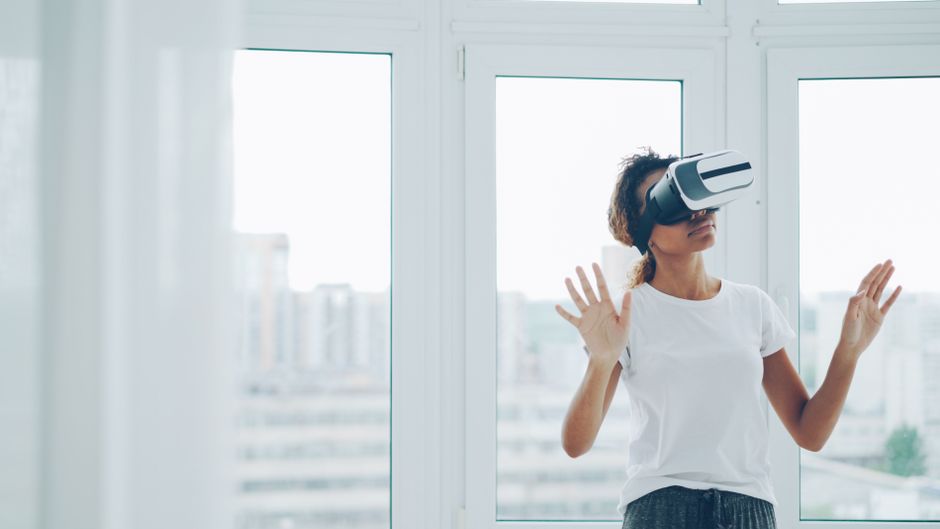
Consider how streaming services like Twitch or YouTube create continuity:
Fans follow their favorite streamers or content creators across various campaigns, games, or series updates, creating familiar “home bases.” Interactive chat and comment features act as consistent social hubs, allowing ongoing conversations and friendships. Multi-generational fandoms find echoes of “the good old days” in platform features—like clip sharing or subscriber-only communities—that mimic familiar fan club exclusives from earlier eras.In essence, these platforms don’t just host fan creations; they scaffold ongoing interactions with familiar signposts amidst an ever-changing digital landscape.
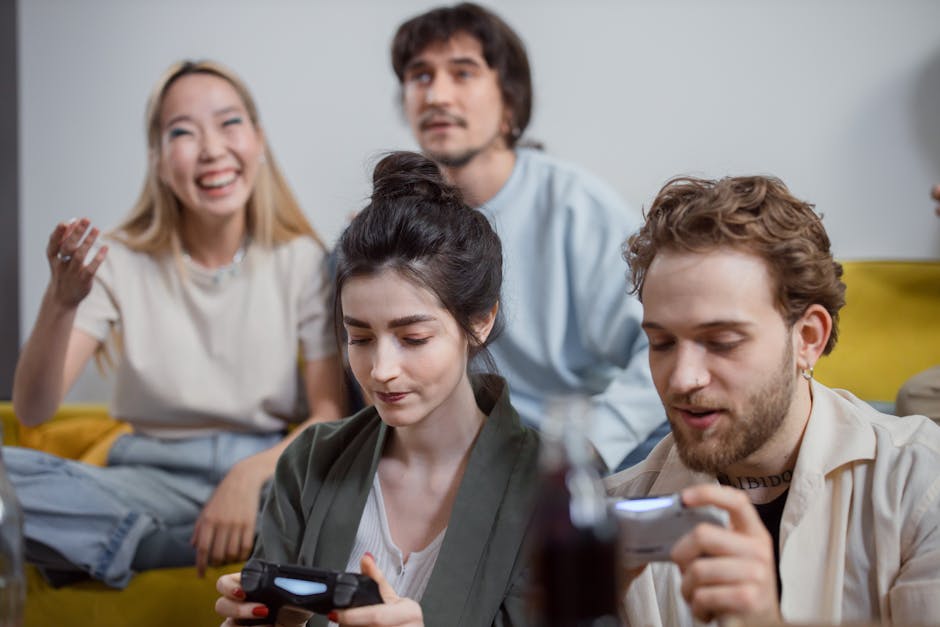
Interactivity: From Audience to Participant
Here’s where the magic really kicks in. Passive viewing is fading fast because fans want to be part of the creative process—not just spectators.
Interactive features on creative platforms convert audiences into participants, blurring boundaries.Imagine this from the lens of a streaming event:
- A live game developer Q&A on Twitch lets fans submit questions directly. Streamers incorporate fan art and ideas into their playthroughs and commentary in real time. Social platforms enable polls that dictate what content comes next or which characters get spotlighted.
This level of engagement democratizes creation and fosters a sense of co-authorship. Fans no longer wait for official updates — they influence narrative twists and celebrate the unpredictable curveballs together.
Engagement and Retention Through Choice and Contribution
When fans create, they don’t just “consume;” they build and belong. Creative platforms succeed because they offer multiple avenues for users to choose how deeply they want to contribute.
Ways Fans Become Creators on Platforms:
Platform Type User Creation Features Engagement Outcome Social Platforms (Instagram, TikTok, Twitter) Fan art posts, meme creation, short videos, remix challenges Viral trends, shared fandom language, community identity Streaming Services (Twitch, YouTube Live) Chat interaction, emote creation, fan co-streams, reaction videos Real-time collaboration, fan-driven content direction, retention through participation Creative Hubs (DeviantArt, Fanfiction.net) Serialized fanfiction, original fan art galleries, collaborative projects Deep, immersive engagement, long-term creator-fan relationshipsChoice matters. Fans who decide how they want to engage—whether as casual commenters or committed content creators—are more likely to stick around and invite others into the fold.
Why This Matters: The Shift From Passive to Active Culture
For years, fandom used to mean collecting, watching, or reading quietly from the sidelines. Now, creative platforms have accelerated a shift where fans feel ownership over their fandoms through creation. That ownership breeds a richer culture, more resilient communities, and a dynamic exchange between official creators and their audiences.
Think about it like this:
- Old fandom = passive fans who occasionally talked about a show in a local meetup. New fandom = digital creators who remix, debate, voice-act, and even influence canon through interactive tools.
This isn’t just evolution. It’s a revolution in how stories and experiences live and breathe online.
In Closing: Creative Platforms as Digital Campfires
Imagine a campfire in your backyard where friends gather each night—telling old stories and inventing new ones under the stars. Creative platforms are that campfire for modern fandoms. They bring familiar warmth (nostalgia), reliable places to meet, interactive sparks, and open invitations for everyone to toss in their own stories.
So, next time you watch a fan remix or join a live stream chat riffing on a trending show, remember: you’re witnessing the ongoing alchemy turning fans into creators. And that’s just the beginning.
```