A good game night has a familiar danger zone: one crowded table, a stack of cards, and somebody reaching for a saucy snack with the same hand they use to play. In a small home, that mess can spread fast. A drink gets set beside the board, coats land on a chair you need, and suddenly the game is sharing space with dinner.
The fix is not to ban snacks or make guests feel like they are taking an exam in handwashing. It is to plan the room, the food, and the schedule so clean hands board games are easy to manage. Choose snacks that are easy to portion, put napkins within reach, and give food and drinks a home away from the play area. Then pick games that suit your group and the clock—including the football game, if that is part of the evening.
Here is a practical hosting plan for a one-room game night, whether you are gathering for a neighborhood holiday hangout, a casual Saturday, or a watch party that turns into cards after kickoff.
Start With the Room, Not the Menu
When your gathering is in one main room, every surface has a job. The game table needs enough clear space for players, boards, cards, and shared pieces. The food station needs room for serving. Guests need a place to set a drink without hovering over the game. A little planning prevents that familiar shuffle of moving things every time someone wants to sit down.
If you are shopping for a dedicated gaming surface, a board game dining table can help bring meals and play together in one planned spot. Bandpass Design’s The Dresden is a product to consider when looking at tables designed for dining and board game use. Whatever table you use, decide ahead of time which part is for play and which area—if any—is for food. A table that can serve more than one purpose still benefits from a clear game-night layout.
Make three simple zones
- Play zone: The board, cards, player areas, rulebook, and shared pieces. Keep food out of this zone. Snack zone: A counter, side table, or cleared end of a dining surface. Serve small portions rather than putting oversized bowls beside the cards. Drink zone: A separate place for refills and extra beverages. Keep a stack of coasters here and a few within easy reach of the players.
In a small room, these zones do not have to be far apart. They just need to be obvious. A side table can become a snack station; a kitchen counter can hold drinks; even a tray can mark the boundary between food and play. The goal is to avoid refilling drinks over the board or balancing nachos on an open game box.
Set Guest Flow Before the First Doorbell
One-room hosting works best when guests know where to go without asking. I assign a coat spot as soon as the first person arrives, before jackets start claiming the backs of game chairs. Then I point out the snack station, drink area, and place to wash hands. A quick welcome takes seconds and saves a lot of table rearranging later.
Think about the path guests will take from the door to the food and drinks. If everyone has to squeeze between seated players to reach the cooler, move it. A cooler near the entrance or along a wall can keep extra drinks handy without sending people across the play area. Put the ice, opener, cups, and a small trash bag nearby, too. That way, guests can serve themselves without creating a traffic jam beside the board.
Say the house rules out loud
House rules should sound friendly and specific. A useful version is: “Food stays at the snack station, drinks go on coasters, and let’s wash up before handling cards.” Guests are more likely to follow a clear routine than a vague request to “be careful.” Keep hand wipes or a small bottle of hand sanitizer nearby as a backup, but make the sink the main stop for sticky or oily fingers.
It also helps to announce the evening’s timing. Set an end time out loud so nobody has to guess when the last game begins or whether the evening is stretching into a second round. If football is on, explain when you plan to pause for the game and when play will resume. That little bit of structure is especially helpful when guests https://highstylife.com/how-do-i-host-a-holiday-game-night-without-trashing-the-whole-house/ have different schedules.
Choose Snacks for Clean Hands Board Games
The best non greasy snacks for cards are easy to pick up, low on crumbs, and simple to portion. No snack is perfectly mess-proof, of course, but some are far less likely to leave fingerprints on a deck. Favor food that does not require dipping, peeling, or a pile of napkins after every bite.
Good options for a card table
- Grapes or berries: Serve washed fruit in small bowls. Keep portions modest so guests are not reaching over the board to pass a giant container. Cheese cubes and mild crackers: Pre-portion on a platter, and choose crackers that are sturdy rather than flaky. Popcorn: Serve in individual cups or paper bowls to limit shared-hand contact and scatter. Pretzels: Small, relatively dry pretzels are easy to grab. Put a bowl at the snack station rather than beside the cards. Vegetable sticks: Carrots, celery, and cucumber work well on a platter. If you offer dip, keep it at the food station and provide a spoon. Wrapped sweets: Individually wrapped candies can be a tidy option when guests want something sweet between rounds.
For a more filling spread, serve sandwiches cut into small pieces or a simple cheese-and-fruit board at the snack station. Give guests a chance to eat before the card game starts, then clear the serving dishes away. The fewer open containers and sauces on the table, the less likely a snack detour is to become a cleanup project.
Save the messy favorites for the right moment
Wings and nachos are excellent football food, but they are not my first choice right before a card game. Sauces, melted cheese, and greasy fingers are exactly what cards do not need. If those are on the menu, schedule them as a meal during a viewing break. Put out plenty of napkins, keep a bin nearby, and give everyone time to wash their hands before the next deal.
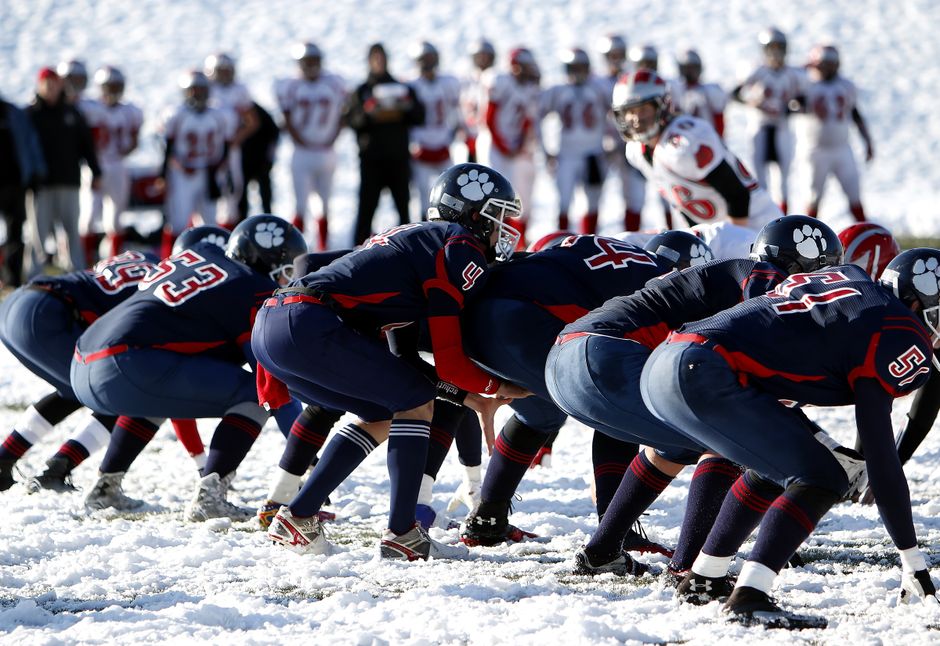
That does not mean you have to skip a classic game-day spread. It means separating the messy eating window from the card-playing window. Let guests enjoy the wings while watching the game, then clear the food, wipe the table, and reset before bringing out the cards.
Put Napkins Within Reach—and Give Them a Job
Napkins within reach are essential, but they work best as part of a full setup. Place them at the snack station and near the drink area, not directly on top of the game components. Add a small wastebasket or lined bin where guests can spot it. If your table has a lot of players, put a spare napkin stack at each end of the room so people do not have to lean across the board to get one.
Coasters are just as useful. I keep a stack like they are game pieces: visible, easy to grab, and plentiful enough that nobody has to ask. Give each player a coaster, and set extras near the drink zone. A simple rule—cups stay on coasters, not on the board or game boxes—protects the cards and keeps condensation off the playing surface.
Before starting, move the game box and spare components away from the snack station. I do not want game boxes scattered across multiple rooms, but I also do not want a box doing double duty as a serving tray. Keep the components together in one designated spot, and let the food have its own surface.
Schedule Around Football Without Losing the Night
Football has its own rhythm: kickoff, breaks, halftime, and the final minutes. Use that rhythm to organize the evening instead of competing with it. If guests want to follow the game closely, choose a light, social activity before kickoff or during a natural break. Save a focused strategy game for a stretch when people are ready to put their phones down and pay attention.
A flexible football-night timeline
Moment What to do Why it works Arrival Show guests the coat spot, cooler, snack station, and handwashing route. Everyone can settle in without crowding the play area. Before kickoff Serve dinner or messier snacks, then clear and wipe the food surface. Guests can enjoy game-day food before handling cards. First half Watch the game, chat, and offer dry snacks away from the board. No one has to choose between a complicated game and following the score. Halftime Reset drinks, collect trash, and play a short game if the group wants. Halftime is a natural window for a quick round or a room refresh. After the final whistle Start a longer game if there is enough time before the announced end time. The group can focus without pausing for every key play.Keep the television at a comfortable volume and agree on the plan before the game gets close. That avoids loud TV volume arguments mid-game. If some people want to watch and others want to play, offer a clear choice: a short, low-pressure game in the same room, or a longer game after the broadcast. A cooler stocked before kickoff also prevents repeated trips for drinks during a tense moment.
Pick Games by Time and Skill Mix
The right game is not necessarily the newest one or the biggest box. Choose for the group in front of you. Consider how much time you have, whether people are watching football, and how comfortable everyone is with rules and strategy. A game that welcomes newcomers makes a better host than one that leaves half the table waiting through a long explanation.
Match the game to the clock
- Short window: Choose a quick card game or a familiar party game that can wrap up in one sitting. Uncertain timing: Pick a game that works in rounds, so you can stop cleanly if kickoff, halftime, or bedtime arrives. Long, focused stretch: Bring out a deeper strategy game once the group has time to learn and play without interruption.
Match the game to the players
For a mixed-skill group, choose a game with simple turns and room for conversation. Pair first-time players with someone who can explain the rules without turning the introduction into a lecture. If your regulars want a more challenging game, arrange a separate later round rather than making newcomers feel lost from the first move.
Before opening a box, check the player count and expected playtime, then board game night pricing explain the basic goal and how a turn works. Keep the rulebook nearby, but avoid scattering components over every available surface. A tidy setup makes it easier for late arrivals to join and easier to pause when the football schedule calls for it.
A Simple Reset Between Food and Play
When the meal or snack break is over, take two minutes to reset the room. Clear plates and serving bowls, wipe down the snack surface, empty any full trash, and check the play area for stray crumbs. Invite everyone to wash their hands before dealing cards. Then put out coasters, bring the game components to the table, and make sure napkins are still easy to find.

Beer Connoisseur readers will recognize the appeal of matching good drinks with good company, but the serving setup matters as much as what is in the glass. Keep drinks on the drink station until guests are ready to sit, offer water alongside other options, and use coasters at every seat. No one needs to refill over a board to keep the evening flowing.
The Host’s Quick Checklist
Choose one main play area and keep game components together. Assign a coat spot as guests arrive. Set up separate snack and drink stations, with the cooler out of the traffic path. Choose non greasy snacks for cards and serve them in small portions. Put napkins within reach, provide coasters, and point out the handwashing route. Schedule wings, nachos, and other messy food before the card game—not during it. Set a football plan, agree on a comfortable TV volume, and choose games that fit the available time and skill mix. State the end time out loud so everyone knows when the evening wraps.Game night does not need a strict no-food policy to protect your cards. It needs a few clear zones, snacks that behave themselves, and a host who makes the easy choice obvious. Give guests a coat spot, a coaster, and a place to wash up; keep the food away from the board; and let the schedule fit the people and the football clock. Then you can focus on the best part: a room full of friends, a game worth playing, and cards that do not feel like nachos.