I’ve spent the better part of twelve years hauling a tiny, metal tape measure through the doorways of crumbling castles, Victorian manor houses, and industrial mills across the Scottish Borders and Northumberland. When you spend as much time as I do checking aisle widths to see if an aisle runner will actually fit—or listening to the way voices bounce off a vaulted stone ceiling when a room hits capacity—you start to develop a very specific set of requirements for a "relaxed" wedding.
There is a prevailing myth in the industry, often fueled by the curated perfection of Pinterest, that you need a "blank canvas" space to achieve a relaxed garden party vibe. We are told that white walls and empty marquees are the only way to curate a casual atmosphere. I’m here to tell you that is a load of rubbish. In fact, relying on a "blank canvas" is rarely as easy as it sounds; it is often a trap that demands thousands in decor just to hide the lack of character. Instead, I want to talk about how heritage venues—with their history, texture, and inherent sense of place—can provide the ultimate backdrop for a relaxed, joyful celebration, provided you respect the building’s rules.
The Pinterest Trap vs. Architectural Reality
When you scroll through Pinterest, you’re looking at a static image. You see the perfectly positioned croquet set on a velvet lawn and the soft, golden-hour light hitting a silk ribbon. What those images don't show you is the logistical nightmare of a "blank canvas" field or the way a modern marquee feels entirely disconnected from the landscape.
Heritage venues, conversely, offer something that money cannot buy: authenticity. They have a weight to them. When your guests arrive at a 200-year-old estate, they are walking into a story. They feel the history in the architecture—the uneven floorboards, the deep-set stone windowsills, the way the light catches the ivy on the masonry. You don't need to cover these things in fairy lights or drape them in excessive chiffon to make them feel "festive." The character is already there.
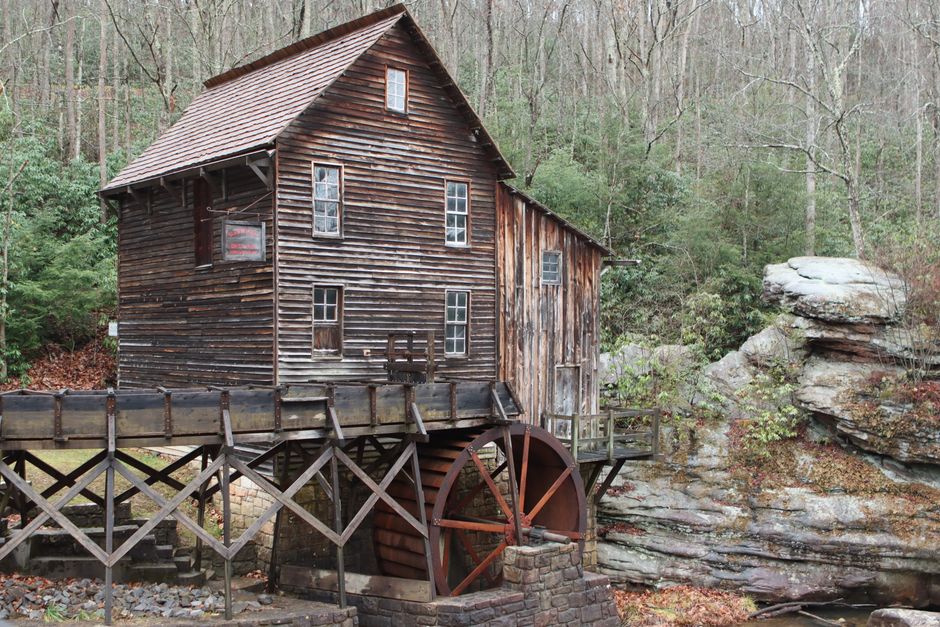
If you want a garden party vibe, you aren't looking for sterility. You are looking for a venue that anchors your wedding in a specific local identity. You want the kind of place that, when shared on Facebook or X, immediately tells your guests exactly where they are—somewhere rooted, somewhere real.
The Acoustics of History: Why Sound Matters
One of my biggest pet peeves is the "stunning" venue that sounds like an echo chamber. I’ve been to dozens of stately homes where the high ceilings and hard surfaces make conversation impossible. When you’re planning a garden party—a day defined by laughter, clinking glasses, and relaxed chatter—you need to account for acoustics.
Heritage venues often have alcoves and smaller, interconnected rooms that are perfect for breaking up a crowd. When a room fills with people, a large, open-plan space can become a cacophony. A heritage venue with varied room sizes allows for a "flow" that mimics a casual house party. Your guests can drift from a conversation in the library to a drink on the terrace without feeling like they are trapped in a giant, noisy hall.
Casual Reception Flow: Designing the Space
If you want to pull off a garden party vibe in a heritage setting, you have to treat the lawn as an extension of the house. This is where I see couples get it wrong; they treat the house and the garden as two separate entities. The best way to bridge them is to utilize the architecture for your flow.
Lawn Games and Social Zones
Instead of trying to force a "festival" aesthetic, lean into the landscape. Heritage venues often have natural "photo corners"—those specific spots where the light hits the architecture just right.
Here are a few ways to keep the flow casual:
- The Threshold Effect: Use the doors as a transition. Don't hide the interior; leave the grand doors open so guests can move freely between the stone-cold history and the lush greenery. Strategic Seating: Don’t just set up rows of chairs. Use existing garden furniture or mismatched vintage pieces that complement the age of the building. Low-Stakes Activities: Classic lawn games like giant Jenga or boules work well, but keep them tucked near the perimeter of the lawn. You want them to feel like an organic discovery, not an organized sporting event.
A Case Study in Balance: The Venue at Eskmills
I am often asked for examples of venues that get this right. One that frequently stands out is The Venue at Eskmills (eskmillsvenue.com). What they have done so effectively is maintain the industrial, historical texture of the original mill while creating an incredibly flexible space. It isn't a "blank canvas"—the history is woven into the brickwork and the high, timber-clad ceilings—but it is managed with a sense of realism that allows for a relaxed, informal flow.
They understand that a heritage venue doesn't have to be stuffy. By leaning into the industrial heritage, they create a backdrop that is visually arresting without requiring the couple to spend a fortune on "fixing" the layout. It’s an honest venue. It doesn't pretend to be anything other than what it is, and that is why it works for the relaxed garden party aesthetic.
The Reality of Rain: My Top Priority
You cannot talk about a garden party in the UK without talking about the rain. If your "rain plan" involves shuffling everyone into a cramped side room or waiting for a marquee hire that looks like a plastic tent, your vibe will evaporate the moment the clouds roll in.
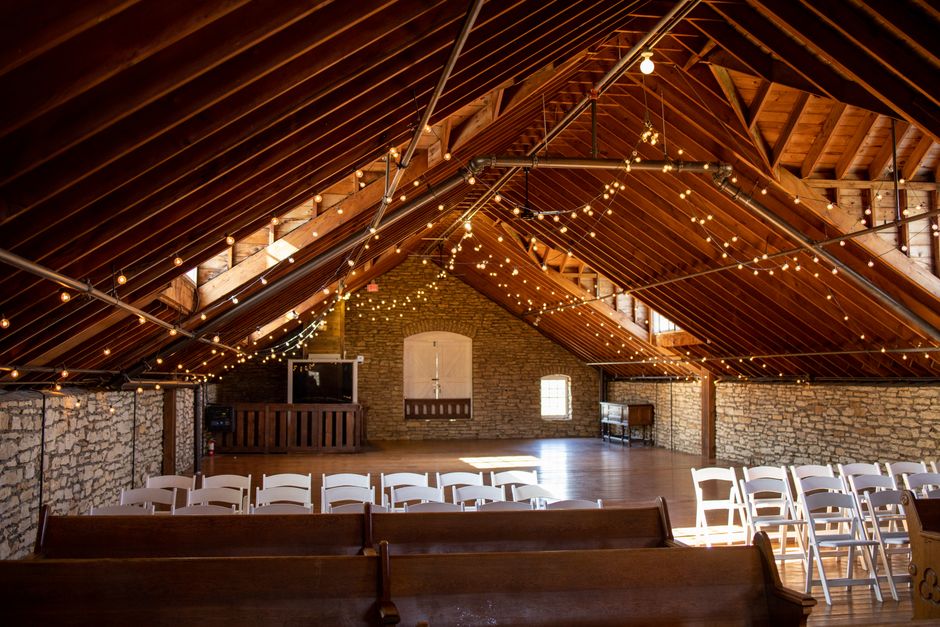
When I scout a venue, I look for "Rain Plan Realism." Does the venue have an indoor space that is as enjoyable to be in as the garden? If the heavens open, will your guests be happy to stay inside with a drink, or will they feel like they’ve been sent to the detention room? A good heritage venue should have an "indoor-garden" feel—perhaps a conservatory, a glass-walled gallery, or a series of rooms that feel connected to the outdoors even when the windows are shut against the wind.
Feature The "Blank Canvas" Trap The Heritage Approach Character Zero (requires expensive filler) Built-in (history is the decor) Photography Often generic/repetitive Rich texture and unique light Logistics High effort for guest comfort Infrastructure (plumbing/power) exists The "Rain" Factor Often a downgrade Usually a beautiful alternative spaceAuthenticity and Local Identity
When you read blogs like Want That Wedding (wantthatwedding.co.uk), you see the trend moving toward more intimate, "authentic" celebrations. Couples are tired of the cookie-cutter weddings that could take place anywhere in the world. They want a wedding that reflects where they are.
Heritage venues provide a sense of place that is fundamentally human. They have been lived in. They have been cared for. When you hold unique repurposed wedding spaces your garden party on the grounds of an old manor, you are participating in a long line of celebrations. That adds a layer of depth to your day that no amount of hired neon signs or Pinterest-inspired DIY projects can replicate. You are adding your chapter to the story of the building.
Final Thoughts: Don't Over-Decorate
My final piece of advice? Put the tape measure down (that’s my job, not yours). Once you’ve verified that the flow works and the acoustics won't shatter your guests' eardrums, stop trying to turn the venue into something else.
A heritage venue is not a project to be fixed. It’s a partner. If you choose a space with strong architectural texture—an old mill with exposed stone, a manor with characterful paneling—you are halfway to a successful, relaxed garden party. Don't drown stylish heritage venue hire it in decor. Let the history of the walls provide the atmosphere, let the lawn provide the playground, and let the house do the heavy lifting.
After all, the best parties aren't the ones that look like they were styled for a magazine spread; they are the ones where the space felt like it was waiting for you all along.