I’ve spent the better part of twelve years walking into venues from the Scottish Borders down to the rolling hills of Northumberland, often with a tiny, battered tape measure in my back pocket. I’ve heard the echo of a room before it’s filled with guests, and I’ve seen the wantthatwedding.co.uk way a Victorian-era cast-iron pillar can either be the anchor of your entire design or the singular element that makes your florist pull their hair out.
In the age of Pinterest, we are conditioned to believe that every venue is a "blank canvas." If I hear a venue manager use that phrase one more time, I might just lose my mind. No venue is truly a blank canvas. If it has walls, windows, and structural integrity, it has a personality. When that personality includes industrial heritage details, you aren't just decorating; you are collaborating with history.
The Pinterest Illusion vs. Architectural Reality
We’ve all seen the boards. Perfect white walls, minimalist greenery, and everything looking ethereal and seamless. But when you step into a space defined by metalwork architecture, you aren’t looking for seamless; you’re looking for character.
While Pinterest is a fantastic tool for inspiration, it often fails to account for the physical weight of a room. When you choose a venue with cast-iron features—riveted beams, fluted columns, or expansive arched windows—you aren't just picking a "vibe." You are choosing a sense of place. These buildings were once the engines of local identity, and that industrial heritage matters. It grounds your wedding in a specific history, offering a layer of storytelling that no amount of rented LED uplighting can ever replicate.
If you need inspiration that respects the architecture rather than ignoring it, I always point couples toward resources like Want That Wedding. They excel at highlighting the raw, authentic details of a space, proving that you don’t need to cover up a space to make it look "wedding-ready."
Why We Love (and How We Manage) Industrial Metalwork
There is a specific acoustic signature to a room filled with exposed metal and brick. It rings. It has a life of its own. When you fill that space with 150 guests, the sound quality changes entirely. If you’re planning a ceremony aisle, take that tape measure out. Check if those pillars restrict the sightlines. Nothing breaks the magic of a vows exchange faster than realizing your guests are staring at a structural beam instead of your faces.
Styling Tips for Metal-Heavy Spaces
Working with industrial heritage details requires a delicate touch. Let me tell you about a situation I encountered made a mistake that cost them thousands.. You aren't trying to hide the metal; you are trying to make it part of the conversation. Here are my go-to strategies for venue styling tips when dealing with heavy architectural elements:

- Embrace the "Rain Plan Realism": If the weather turns, does the room feel oppressive with all that dark iron? Ensure you have lighting plans that reflect off the metalwork to create warmth rather than clinical highlights. Work with the Light: Cast iron often frames beautiful, large-paned windows. Don’t drape them. Let the light pour in, but be wary of "photo corners" that create harsh shadows against hard metal edges. Softening the Edges: Use trailing greenery to wrap around columns. It draws the eye upward and softens the harsh industrial lines without masking the history of the room. Scale is Everything: If your venue has massive girders, don’t bring in tiny, spindly centerpieces. They will be swallowed by the room. You need textures that can stand up to the weight of the architecture.
A Case Study in Heritage: The Venue at Eskmills
When I visit venues like The Venue at Eskmills, I’m reminded of how a space can perfectly balance industrial heritage with the needs of a modern celebration. Eskmills is a masterclass in how to use a building’s past to elevate the present. It doesn't pretend to be something it isn't; it wears its history as a badge of honor.
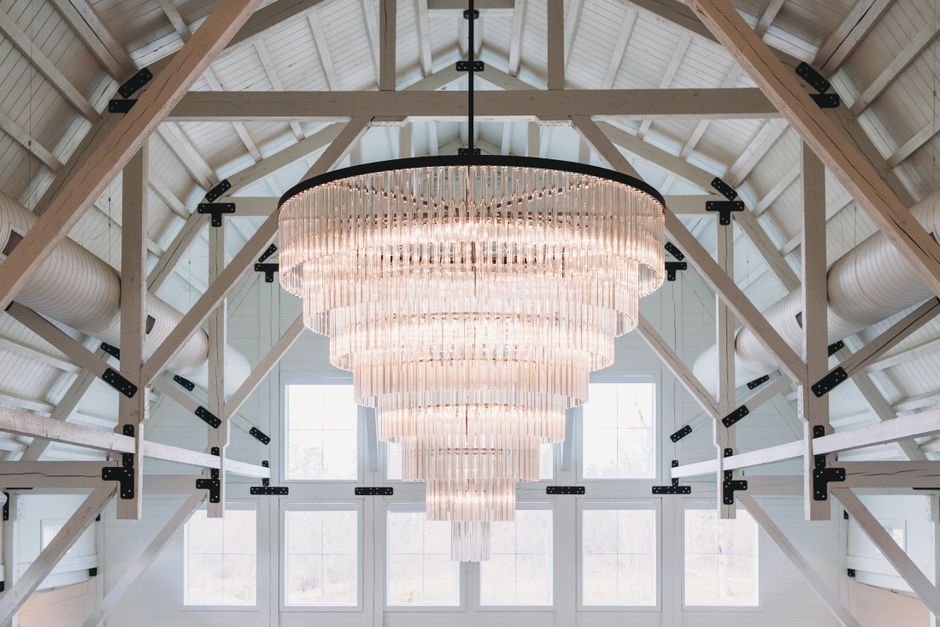
The beauty of a place like Eskmills lies in how the structural ironwork isn't "fixed" by decor—it’s highlighted. It provides a frame for photography that gives the images depth and texture. When your photographer captures the moment, they aren't just taking a picture in a room; they are taking a picture in a place that has a story.
Comparison: The Myth of the "Blank Canvas" vs. Heritage Spaces
Feature "Blank Canvas" Myth Industrial Heritage Venue Effort Requires massive styling to give it personality. Requires editing and complementing existing character. Photography Risk of sterile, generic backdrops. Rich in architectural texture and "photo corners." Atmosphere Often needs forced "warmth" via lighting/decor. Inherently soulful and grounded in history. Constraint Layout is flexible but often soulless. Pillars and beams dictate flow (requires planning).The Social Perspective: Sharing Your Vision
Whether you are documenting your journey on Facebook, sharing mood boards on Pinterest, or live-tweeting your site visits on X, remember that the most "shareable" weddings are the ones that feel authentic.
When I see a wedding featured online that looks identical to five others, I tend to scroll past. But when I see a wedding where the couple has leaned into the industrial bones of their venue—where the metalwork creates a silhouette for the first dance, or the way the evening light hits the old iron rafters—that is a wedding that captures the imagination. It tells the world: *This is our space, and we belong here.*
Final Thoughts for the Planning Couple
My advice? Stop looking for a venue that you can change. Look for a venue that changes you. A room with cast-iron architecture demands respect. It requires you to consider the acoustics, the flow, and the physical constraints of the space. It forces you to be a better, more thoughtful designer.
Don't be afraid of the "industrial" label. It isn't cold; it's robust. It isn't dark; it’s moody and romantic. If you find a space with soul, treat it with the respect it deserves. Use your tape measure, listen to the room when it's empty, and embrace the history that’s already there waiting to become part of your own story.
And for heaven’s sake, stop calling it "stunning" just because it’s a wedding venue. Call it what it is: a beautiful piece of history that’s ready to host the best party of your life.