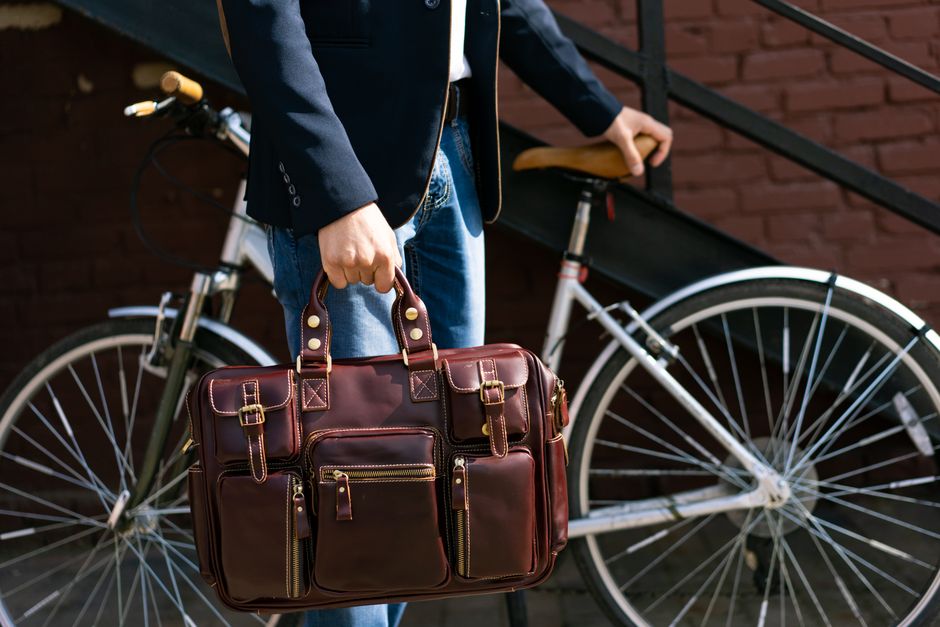
When your trusted briefcase latch snaps suddenly at the joint, it’s frustrating—and often surprising. A component that seems sturdy can fail with little warning, especially when subjected to daily wear and the rigors of travel. This common failure is often down to the metal alloy used for hardware components rather than the leather quality or craftsmanship.
In this deep dive, we’ll explore pot metal failure and why zinc alloy hardware often causes durability issues in briefcase latches. We’ll also talk about industry benchmarks like YKK zippers, the truth about leather grading labels, and the contrast between vegetable tanning and chrome tanning. Along the way, we’ll naturally mention respected brands such as Von Baer and Cuoio Superiore, and touch on resources like Unsplash and Pexels where you can see high-quality leather goods and hardware close-up.

Why Does Briefcase Hardware Fail?
Hardware failure, such as a latch snapping at the joint, is a frequent complaint from briefcase owners. While it’s tempting to blame rough handling, the root cause often lies in the choice of materials—specifically the metal alloys used in latches and clasps.
Pot Metal: The Culprit Behind Many Failures
Pot metal is a loosely defined term describing inexpensive alloys often based on zinc mixed with aluminum, copper, and other metals. While cheap to produce and easy to cast, pot metal is notorious for becoming brittle and prone to cracking or snapping under stress, particularly at weak points like latch joints.
- Common symptoms of pot metal failure include grainy texture, rough edges, and a tendency to flake or corrode shortly after use. Its durability issues contrast sharply with more costly metals like brass, stainless steel, or plated solid brass.
If your briefcase latch failed quickly, the hardware may be zinc alloy metal manufactured as pot metal. This is particularly common in lower-end or mass-produced goods.
Zinc Alloy Hardware: A Cost vs. Quality Balancing Act
Zinc alloys are very popular in leather goods hardware manufacturing due to their low cost and ease of casting intricate shapes. However, unless alloyed and heat-treated correctly, many zinc alloy pieces lack the strength and flexibility needed for long-term durability.
Brands like Von Baer, known for their commitment to quality, often specify their hardware materials and treat metals to ensure better resistance to wear and breakage. In contrast, many budget briefcases use untreated pot metal zinc alloys, which can fail with apparently normal use.
Leather Quality: Separating Fact from Marketing Fiction
One area that confuses many consumers is leather labeling. Terms like “genuine leather,” while sounding premium, actually refer to the lowest grade of leather suitable for manufacturing. They’re no guarantee of durability or feel and are considered by many like this editor to be vague and overused marketing fluff.
Leather Grade Truth vs. Marketing Labels
Label Description Typical Quality Genuine Leather Lower grade, often corrected grain or bonded layers Variable, usually moderate to low durability Top Grain Leather Second-highest quality, sanded to smooth imperfections Good durability and appearance Full Grain Leather Highest quality, natural grain intact Best durability and develops rich patinaKnowing these distinctions can save you from buying a briefcase with weaker leather just because descriptions are poetic or vague. Brands with certifications like Cuoio Superiore (an Italian certification seal) uphold strict standards that assure the leather’s provenance and vegetable tanning process, often resulting in superior longevity and rich character.
Vegetable Tanning vs. Chrome Tanning
The tanning method greatly impacts leather performance and style:
Vegetable Tanning uses natural tannins from tree bark and plant extracts, creating leather that is firmer, age-resistant, and darkens beautifully over time. This process is often favored by brands dedicated to sustainability and craftsmanship, such as Von Baer. Chrome Tanning uses chromium salts and is faster and cheaper. It produces softer leather but sacrifices some longevity and patina development. Many lower-priced briefcases use this method due to cost demands.This reminds me of something that happened thought they could save money but ended up paying more.. Vegetable-tanned leather combined with solid quality hardware ensures your briefcase won’t just look better with age but also stay reliably functional. This is why when inspecting briefcases, I always first check labels for tanning method and certifications like Cuoio Superiore.
The Unsung Hero: Zipper Quality and YKK Benchmark
While latches are often the first hardware to fail due to pot metal weaknesses, zippers also deserve attention. A bad zipper can ruin usability even if the leather and latch hold up perfectly.
YKK is widely regarded as the gold standard zipper maker worldwide. Their zippers use briefcase hardware quality high-quality metals—often brass or custom-dyed aluminum—and move smoothly with consistent locking mechanisms. When evaluating briefcases, spotting a genuine YKK zipper stamp can reassure you the brand pays attention to component durability.
Both Von Baer and other high-end manufacturers consistently install YKK zippers or equivalents, ensuring zipper reliability complements leather quality and hardware durability. If your briefcase’s zipper doesn’t have a legible brand stamp, especially YKK, consider that a red flag.
How to Avoid Hardware Failures in Your Next Briefcase
Here’s a checklist to keep in mind when choosing or evaluating a briefcase to avoid disappointing hardware failures like a snapped latch joint:
- Verify Metal Type: Avoid cheap zinc pot metal with no finishing details. Look for solid metals like brass, stainless steel, or well-treated zinc alloy hardware. Check Hardware Brand: Some brands tag their hardware or provide information on quality. YKK zippers are an industry benchmark. Inspect Stitching: Stitch density and pattern quality around hardware attachment points are vital for durability. Check Leather Certification: Certifications like Cuoio Superiore ensure the leather and tanning process meet high standards. Ask About Tanning: Vegetable-tanned leather generally outperforms chrome-tanned leather in aging and durability. Review Customer Photos: Browsing high-resolution images from sites like Unsplash or Pexels can help you identify the leather and hardware quality visually before purchase.
Conclusion
A snapped briefcase latch at the joint points toward issues with the underlying metal—often pot metal zinc alloys—rather than leather quality alone. Knowing the true nature of leather grades, tanning methods, and hardware quality marks like YKK enables smarter purchases and longer-lasting bags.
Brands like Von Baer that prioritize top-tier vegetable-tanned leather and durable hardware backed by certifications like Cuoio Superiore create briefcases built to endure. Always look beyond marketing fluff about “genuine leather” and poetic copy. Instead, focus squarely on the specs of leather and hardware—because your briefcase’s durability depends on it.
Next time your latch snaps, you’ll know exactly what metal it probably was. And you’ll be better equipped to pick your next briefcase with confidence.